
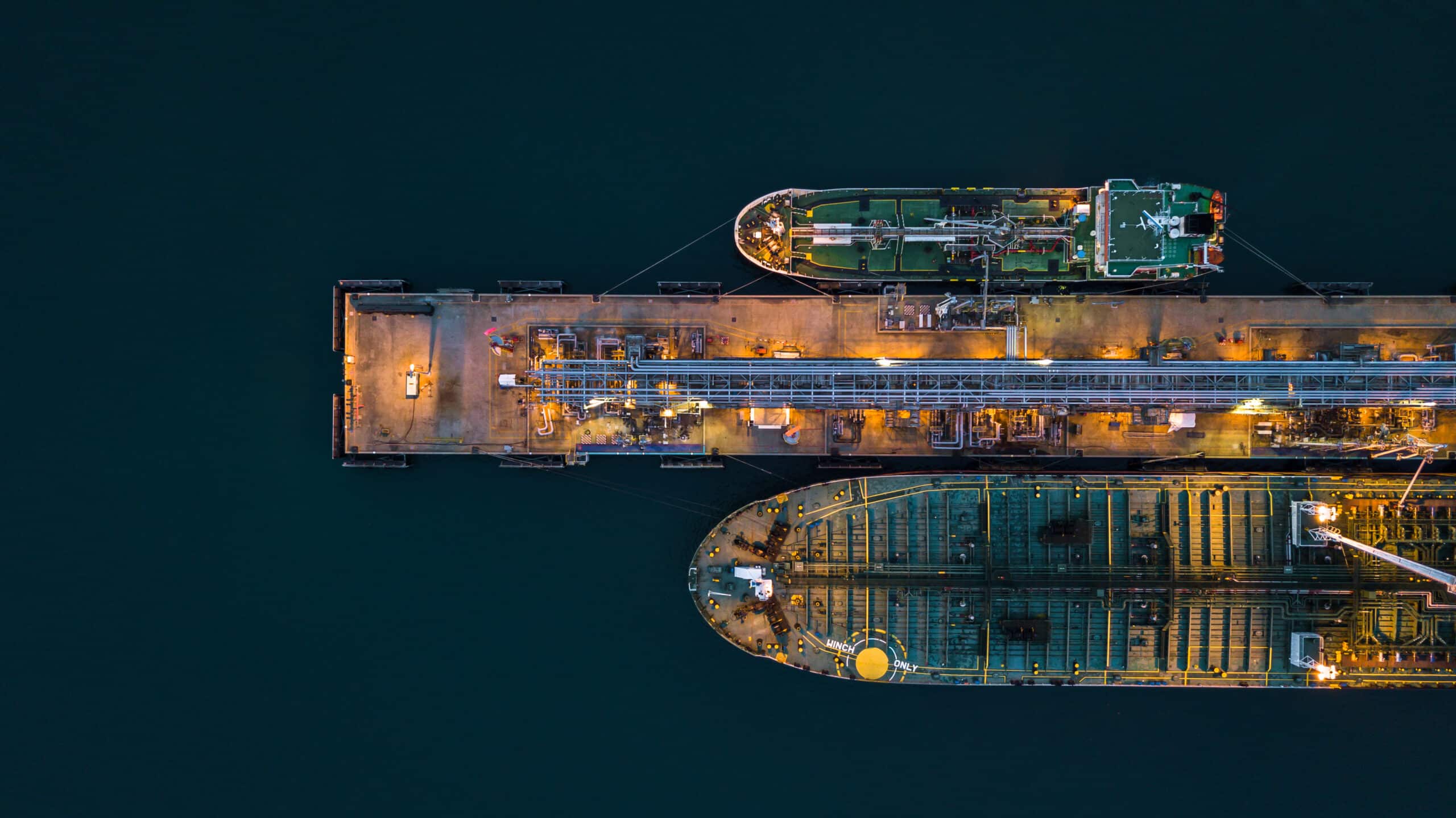
The proposed legislation mirrors the Senate-passed measure, targeting the Kremlin’s shadow fleet, Russian energy revenues, and the financial institutions facilitating Moscow’s military machine. Republican Representatives Michael McCaul and Brian Fitzpatrick, alongside Democrat Steny Hoyer, are leading the push, framing the bill as a necessary mechanism to isolate the Russian economy. By threatening up to 100 percent tariffs on countries that purchase Russian crude or assist in sanctions evasion, the bill forces major energy buyers to choose between access to the U.S. market and their commercial ties to Moscow.
While the legislation enjoys broad support, it faces a potential legislative bottleneck regarding the scope of presidential tariff power. Lawmakers are currently debating whether to limit these duties to the eight most significant facilitators of Russian revenue or to provide the White House with wider discretion. Proponents, including humanitarian advocates, argue that this economic pressure is the only remaining lever capable of forcing a negotiated settlement on terms acceptable to Kyiv. Beyond Russia, the act extends sanctions against Iran through 2031 and targets Chinese entities providing material support to the Russian defense-industrial base, signaling a wider strategy to disrupt global networks sustaining the Kremlin’s aggression.
Comments (0)
No comments yet. Be the first!