
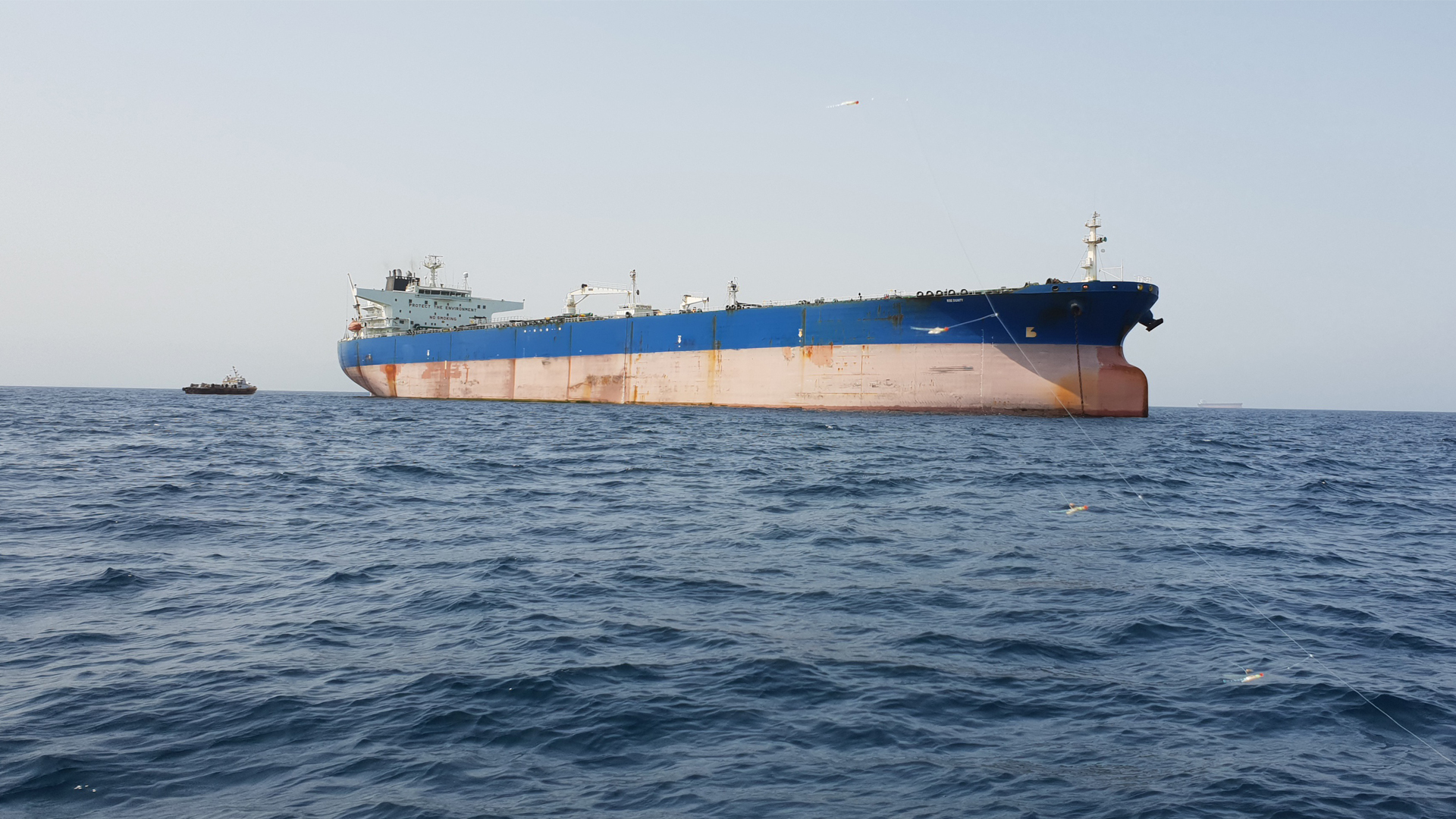
The latest data from Kpler highlights a stark reality: four inbound commodity vessels entered the Persian Gulf, while only two tankers exited with energy products. This volume stands in stark contrast to the pre-war flow of approximately 140 ships daily. Bank of America’s head of commodities and derivatives research, Francisco Blanch, noted that current transit levels—hovering between five and ten vessels—remain critically low, far from the 80 to 100 ships required to stabilize global energy markets.
While traffic through the Bab el-Mandeb chokepoint remains steady at 24 vessels daily, the atmosphere in the Persian Gulf has soured. A brief period of optimism between mid-June and early July, spurred by a tentative memorandum of understanding, has vanished. Iran’s renewed efforts to exert control over regional transit, combined with Houthi threats against Saudi-linked shipments, have effectively choked the waterway. The region is now grappling with the lowest throughput in over two months, reflecting a broader deterioration in maritime security that shows little sign of immediate resolution.
Comments (0)
No comments yet. Be the first!