
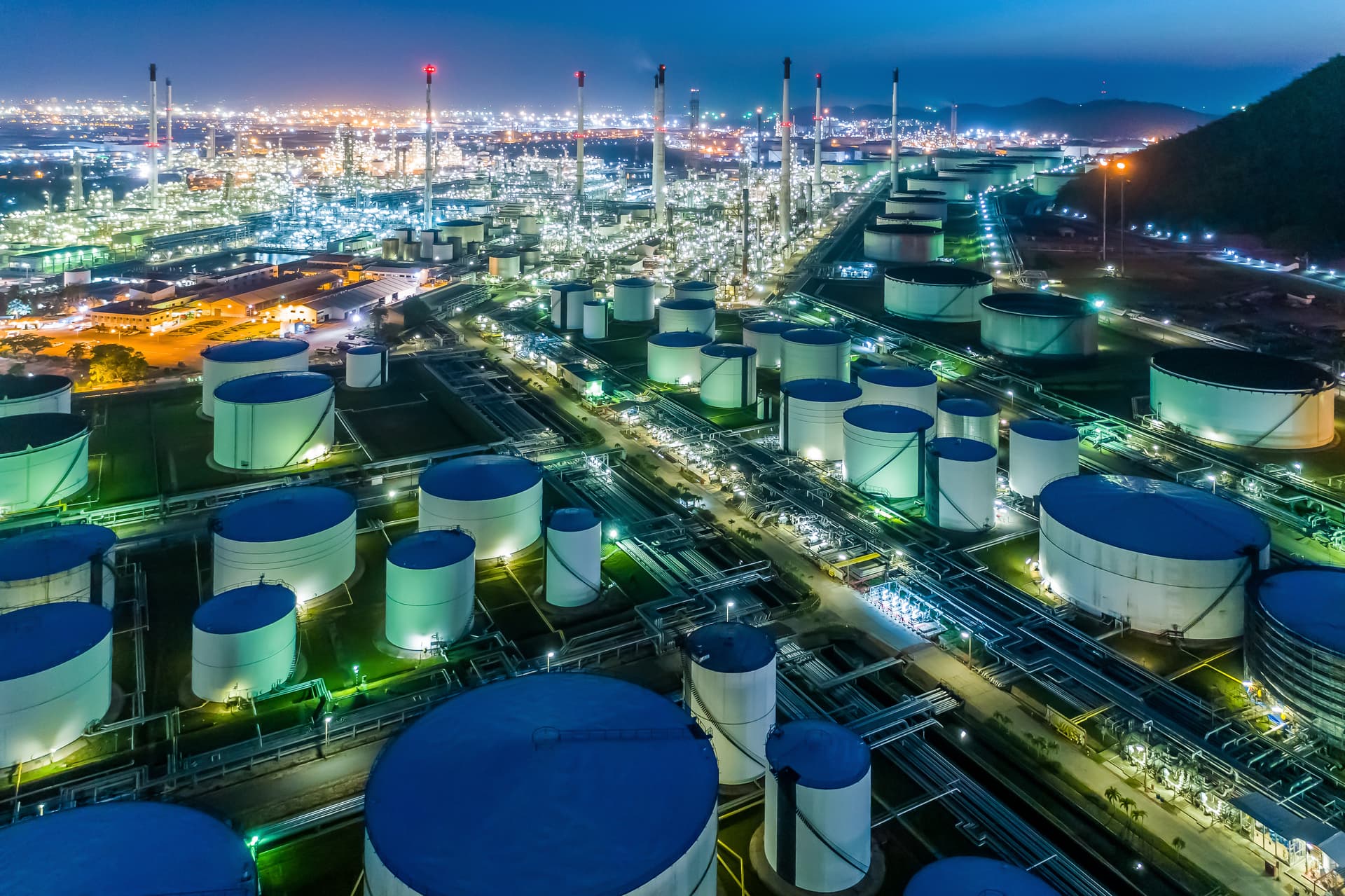
The supply squeeze is already manifesting in localized shortages, from palm oil farmers in Southeast Asia struggling with rising costs to the European Union, which faces an increasingly precarious energy landscape. Having shuttered 30 refineries since 2009—with further capacity closures planned for 2025—the bloc is now highly exposed to global market disruptions. Diesel prices in Europe have surged 40% since mid-June, while crude oil prices rose by only 5%, highlighting a systemic disconnect between raw material availability and refined product accessibility.
Energy analysts warn that the situation is likely to worsen as U.S. Gulf Coast refiners reach their export limits. Despite record shipments of 1.9 million barrels per day in early August, domestic inventories have been drained to levels not seen since 1996. Experts such as Rabobank’s Joe DeLaura emphasize that diesel is the lifeblood of the industrial economy, powering agriculture, construction, and global distribution networks. With Middle Eastern refining hubs struggling to maintain output and the EU cutting off access to Russian-linked fuels, the lack of a clear supply relief path suggests that the upcoming winter season will place significant strain on both political stability and consumer goods pricing.
Comments (0)
No comments yet. Be the first!