
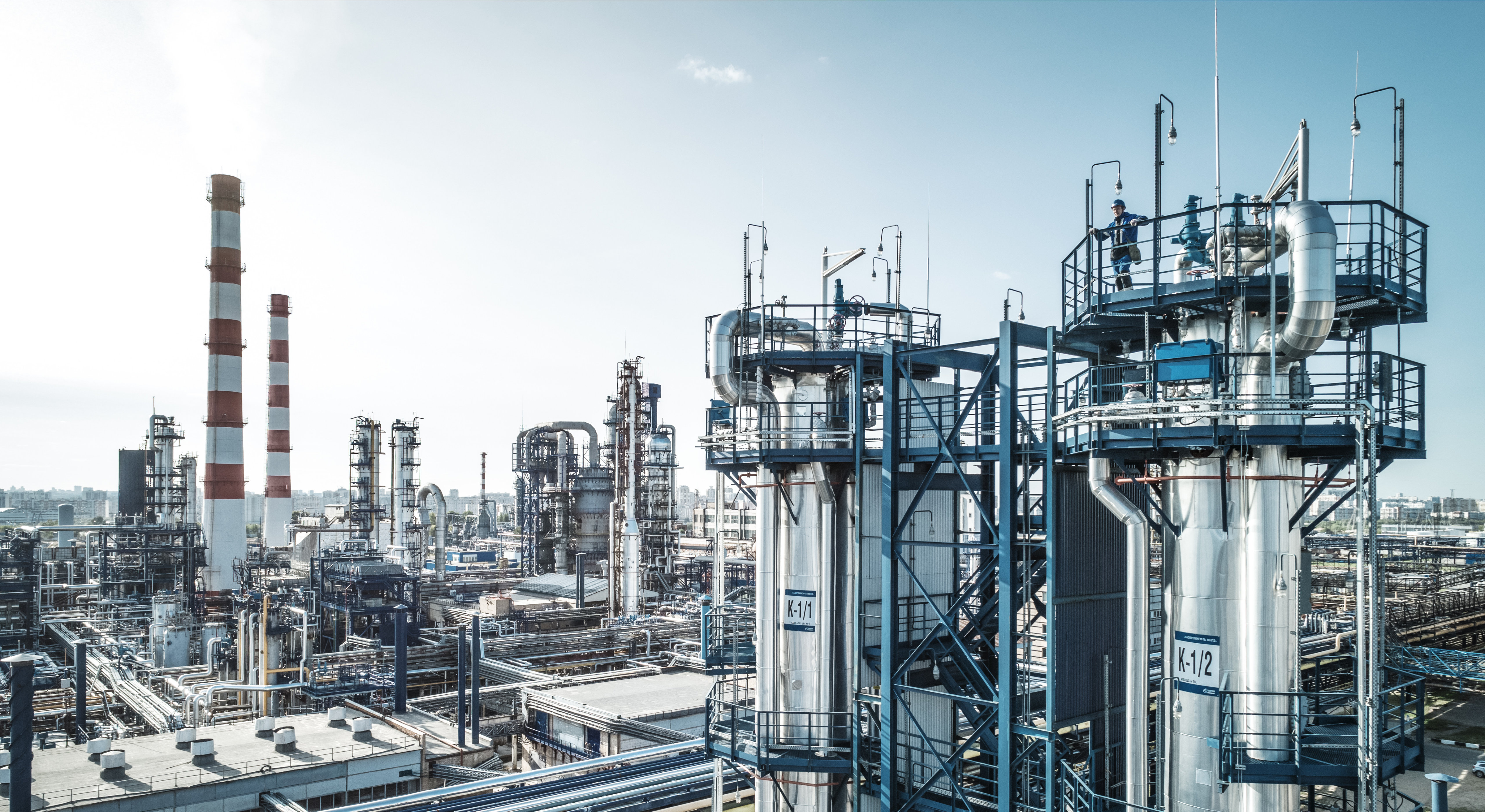
The supply gap is stark. In late July, Russia committed to delivering only half of the 100,000 tons of petroleum products Kyrgyzstan requires monthly. Bishkek is responding by sourcing fuel from Uzbekistan, Kazakhstan, Belarus, and China, while exploring options in Turkey and the European Union. Furthermore, the government is fast-tracking a new refinery project, aiming for a 450,000-ton annual output by late 2026 to secure a quarter of its domestic needs.
In Tajikistan, the shift is even more acute. Fuel imports from Turkmenistan, Uzbekistan, and Kazakhstan tripled in July to 34,000 tons, while Russian gasoline shipments plummeted by half to 14,000 tons. Although Dushanbe maintains reserves sufficient for 60 days, officials are actively negotiating additional supplies from China and Kazakhstan. Meanwhile, Uzbekistan is leveraging its 60 percent domestic production capacity while diversifying through imports from Georgia and Iraq. First Deputy Energy Minister Umid Mamadaminov recently moved to calm public anxiety, insisting the country would navigate the upcoming winter without critical setbacks.
Beyond immediate logistics, these nations are intensifying domestic exploration. Dushanbe has brought in Chinese firms for surveying, while Tashkent is partnering with SLB to establish a seismic data processing center. Russia’s diminishing influence is further highlighted by a desperate proposal: Moscow is currently negotiating with Kazakhstan to refine Russian oil at Kazakh plants. While this arrangement would protect fuel production from Ukrainian drones, it would also diminish the Kremlin’s profit margins, signaling a permanent erosion of its once-dominant grip on the Central Asian energy market.
Comments (0)
No comments yet. Be the first!