
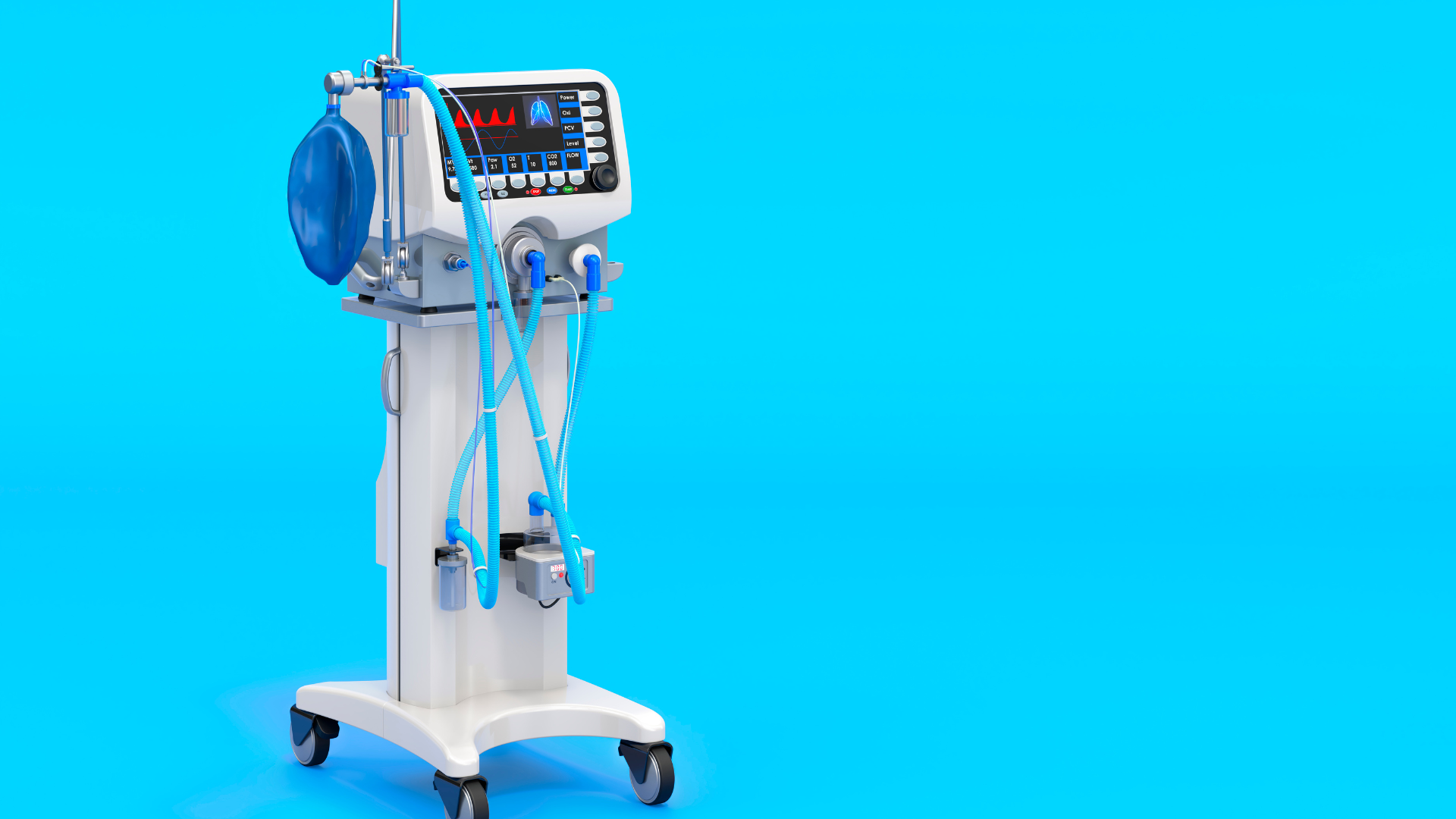
The industry is currently undergoing a structural transition characterized by supplier consolidation and rapid technological innovation. Major players are moving away from legacy hardware toward universal platforms that feature neonatal options, compact transport systems, and automated lung-protective functions. Hospitals are increasingly scrutinizing potential vendors for cybersecurity, service continuity, and the ability of devices to integrate seamlessly with existing clinical information systems.
Portable and transportable units are emerging as a significant growth driver, projected to reach $857.1 million by 2031. This trend is fueled by the expansion of mobile respiratory support in emergency services and disaster-response teams, supported by advancements in sensor miniaturization and energy-efficient semiconductor design. While North America currently maintains the largest market share due to its established infrastructure and high critical-care spending, the Asia Pacific region is expected to record the fastest growth. This acceleration in countries like China and India is attributed to rising local manufacturing, government procurement initiatives, and the growing adoption of cost-competitive respiratory technology.
Comments (0)
No comments yet. Be the first!