
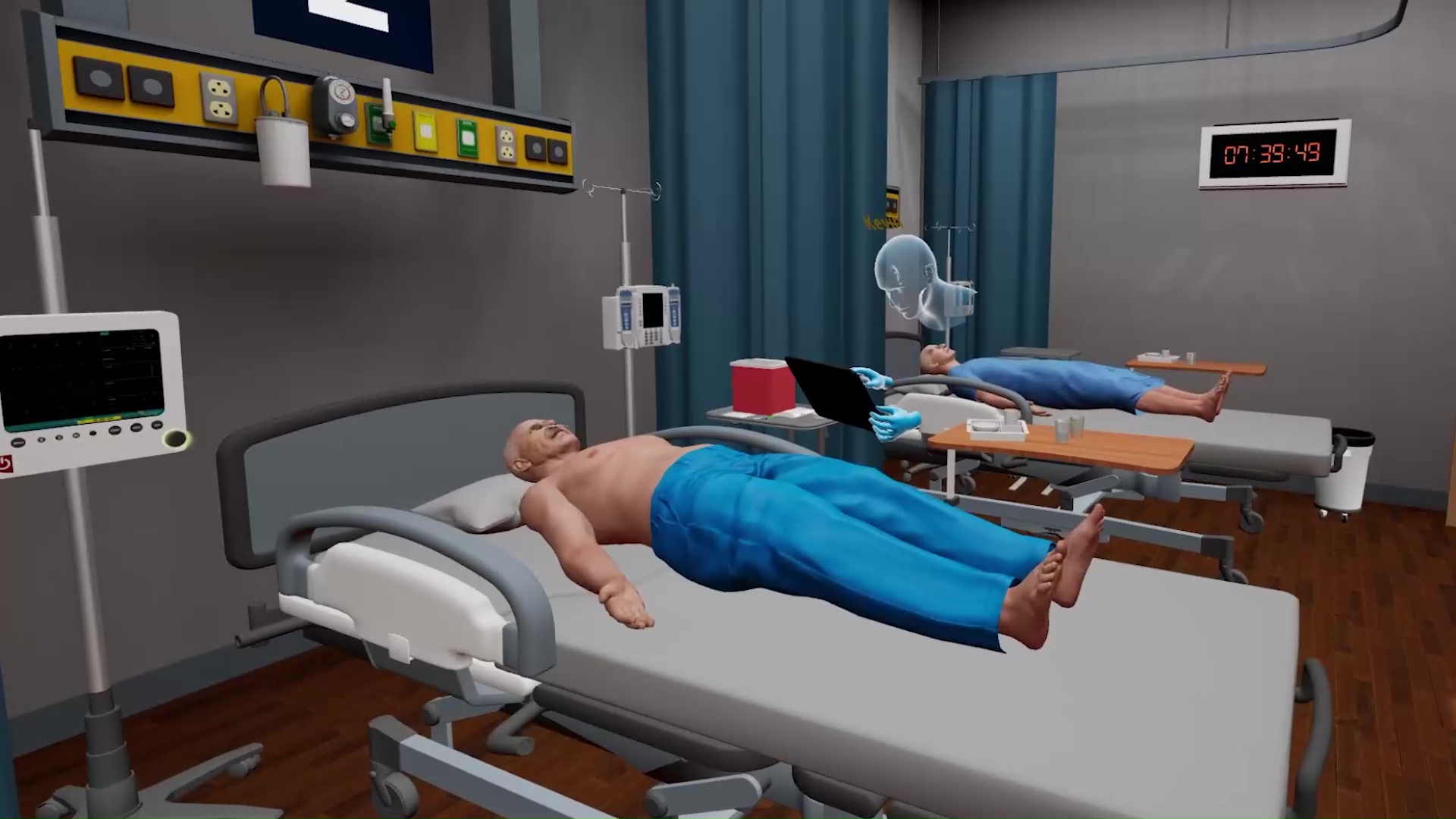
The report, developed alongside Manatt Health, moves beyond anecdotal success by establishing a measurement framework for virtual nursing. It tracks success across workforce experience, patient outcomes, and financial performance. Since implementing the model, MUSC expanded its virtual nursing operations from five initial units to 57 across four regions, demonstrating that the technology serves as an operational backbone rather than a temporary staffing patch.
Data from the program reveals a significant shift in bedside efficiency. Roughly 76% of bedside nurses reported a reduction in time spent on documentation, while 87% noted a decrease in overall workload. These gains translated into a 4.41 out of 5 satisfaction rating among bedside staff, alongside approximately $2.4 million in savings attributed to reduced nurse turnover. The system successfully managed over 23,500 virtual encounters, effectively creating a capacity equivalent to 10.2 full-time nursing positions.
Emily Warr, lead author and administrator at the MUSC Center for Telehealth, emphasizes that the framework provides health systems with the evidence required to scale these programs with confidence. Looking forward, the research identifies AI-enabled documentation and predictive monitoring as the primary drivers for the next phase of virtual care evolution.
Comments (0)
No comments yet. Be the first!