
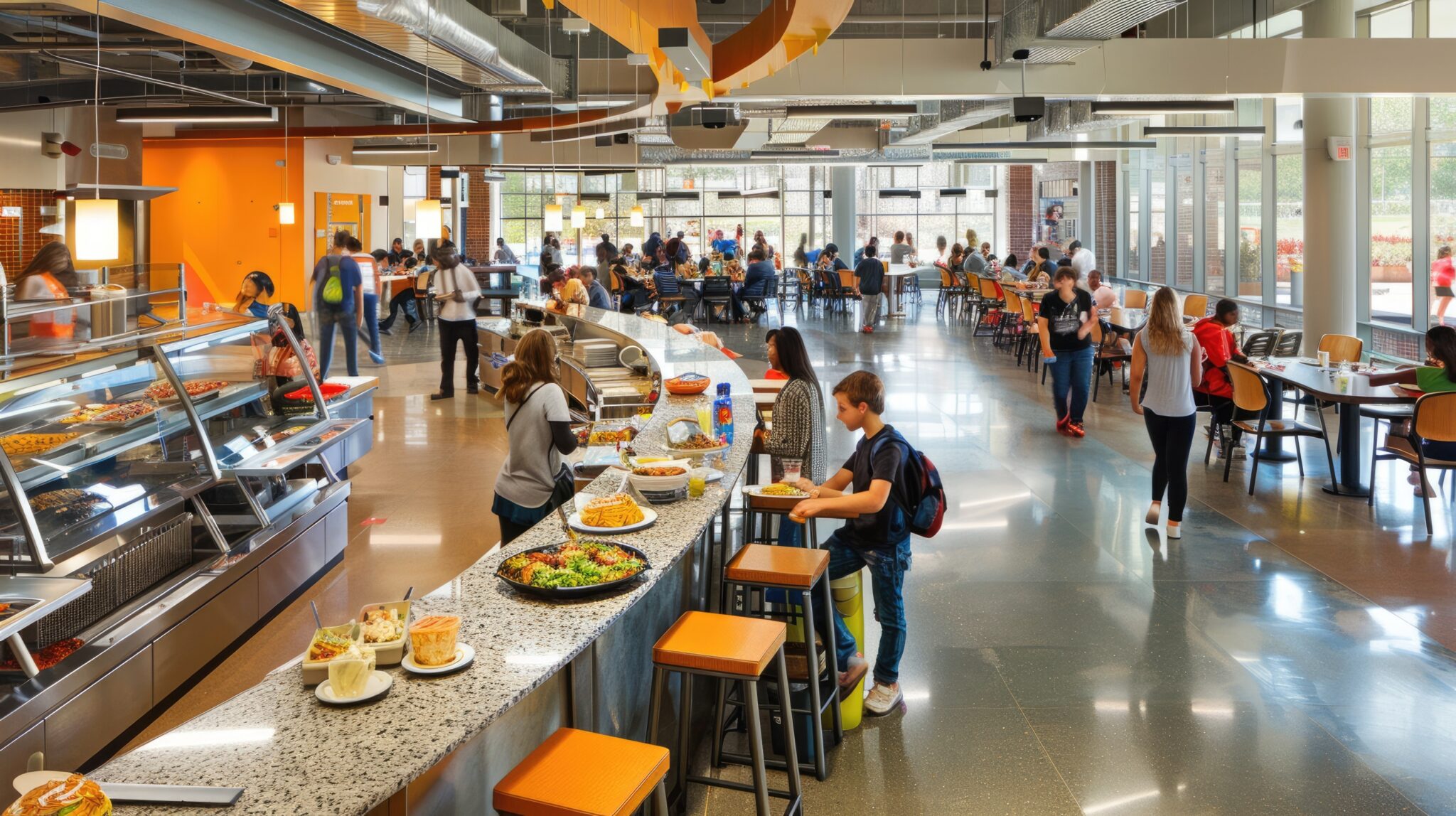
The shift toward "micro-meals" marks a departure from standard dining hall routines. With busy academic schedules, students increasingly favor flexible, bite-sized portions, prompting chefs to introduce protein-heavy bento boxes and street-style snacks like birria tacos. This demand for constant, portable fuel is being met with culinary innovation that prioritizes efficiency without sacrificing nutritional quality.
Data from the 2026 Campus Dining Index underscores a deeper focus on physiological health, with gut-friendly and high-fiber meals becoming staples of the collegiate diet. This trend, bolstered by viral social media movements like "fibermaxxing," aligns with a preference for functional beverages. Students are actively choosing electrolyte-enhanced drinks and prebiotic sodas over traditional options, while botanical teas—including jasmine and matcha—are replacing standard seasonal flavors.
Beyond nutrition, texture has emerged as a primary driver of student satisfaction. Chefs are now emphasizing the "mouthfeel" of dishes, pairing crispy, vegetable-forward ingredients with smooth, savory reductions to create dynamic sensory experiences. According to Chef Joe Labombarda, SVP of Food Experience and Culinary Innovation at Chartwells, the goal is to treat campus dining as a destination rather than a utility, ensuring menus evolve as rapidly as student preferences.
Comments (0)
No comments yet. Be the first!