
While spring attracts the most listings, summer offers a more practical vantage point for prospective buyers. Observing neighborhoods during their most active months provides clarity on daily life, park usage, and street dynamics. For those prioritizing negotiation, the fall transition proves beneficial. As the pace slows, properties linger on the market longer, often yielding a more manageable environment for first-time buyers to assess potential acquisitions without the pressure of peak-season bidding wars.
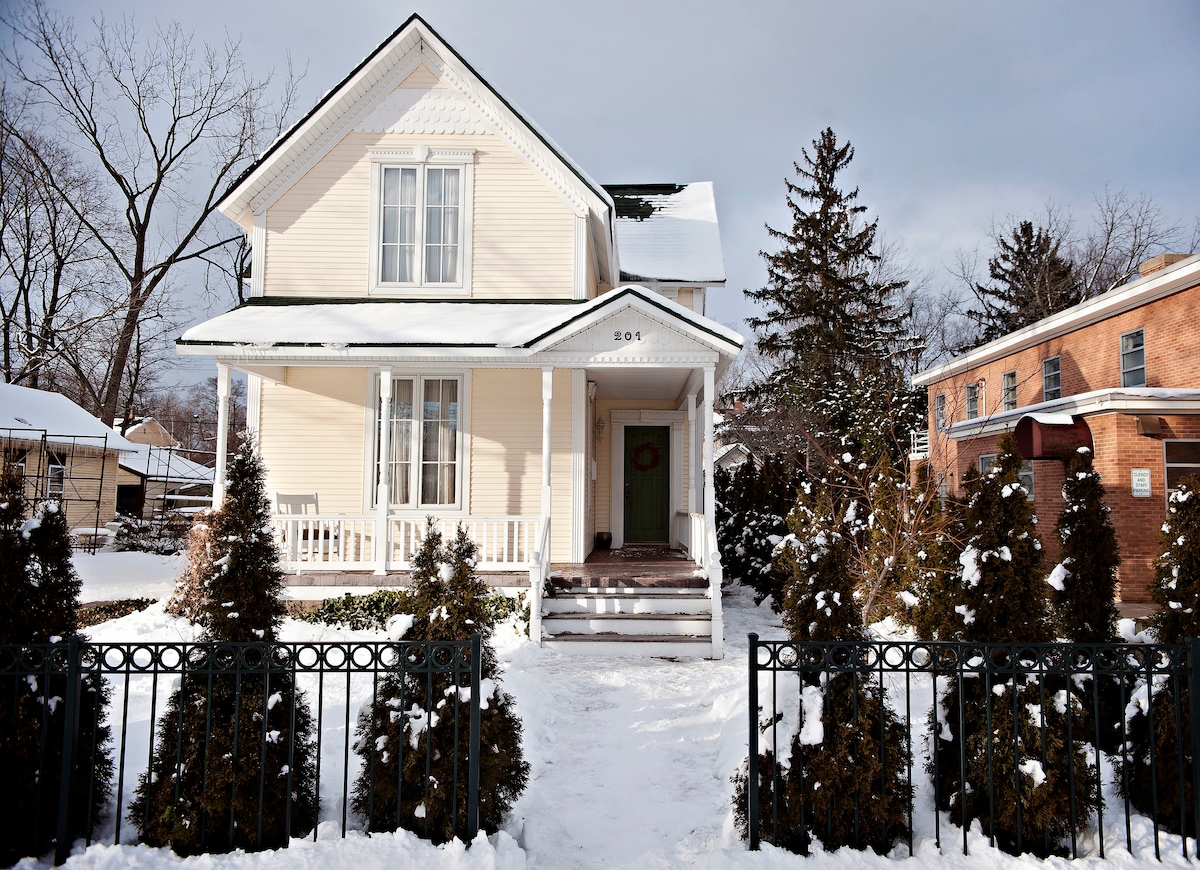
Winter presents a distinct set of advantages, particularly for evaluating structural performance. Viewing homes during colder months reveals how properties manage insulation and snow, offering insights into year-round comfort that aesthetics alone cannot provide. Habsburg notes that the reduced buyer activity during this period creates a unique window for flexibility in pricing. Whether scouting inland neighborhoods or premium lakeshore properties, buyers who align their search with these seasonal rhythms can better navigate the complexities of the local market to find a home that meets their long-term requirements.
Comments (0)
No comments yet. Be the first!