
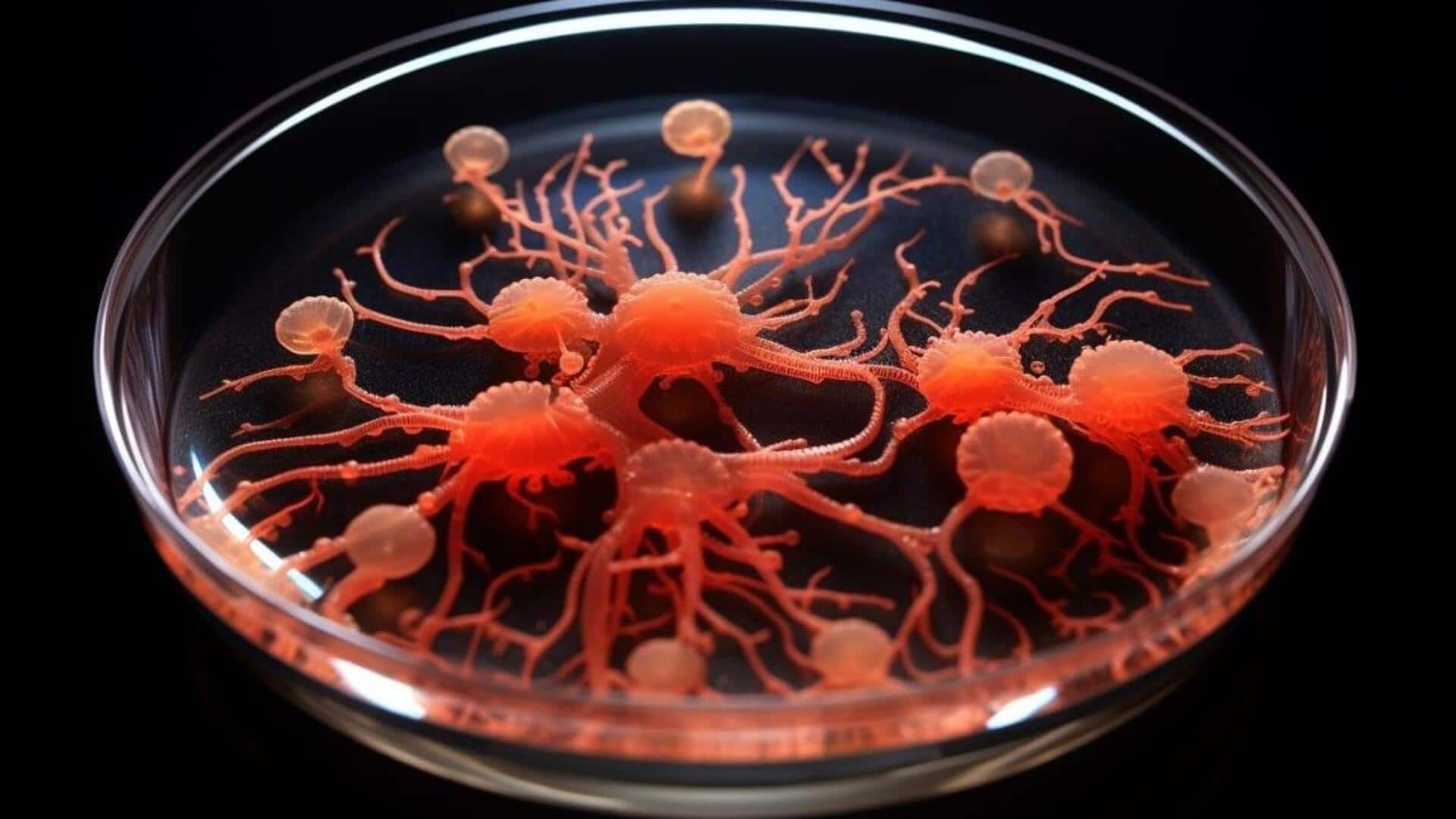
The partnership leverages Lunai’s subsidiary, BioSymetrics, and its proprietary Contingent AI platform to decode the biological heterogeneity of Parkinson’s disease. While traditional approaches often treat the condition as a singular entity, the new workflow seeks to identify distinct patient subtypes, focusing on those experiencing rapid motor decline or specific cognitive shifts. These computational findings will be put to the test in BrainStorm’s award-winning midbrain organoids, creating a feedback loop between clinical data and human-relevant biological systems.
This integrated approach targets three distinct commercial phases. In the near term, the companies intend to improve the design of clinical trials by refining patient selection and endpoint optimization. As the project matures, they plan to develop validated biomarker panels and eventually generate partner-ready therapeutic programs for external pharmaceutical developers. According to Lunai CEO David Weinstein, the strategy is to transform the existing complexity of Parkinson’s disease into a clear development advantage by aligning clinical definitions with actionable biological mechanisms.
Comments (0)
No comments yet. Be the first!