
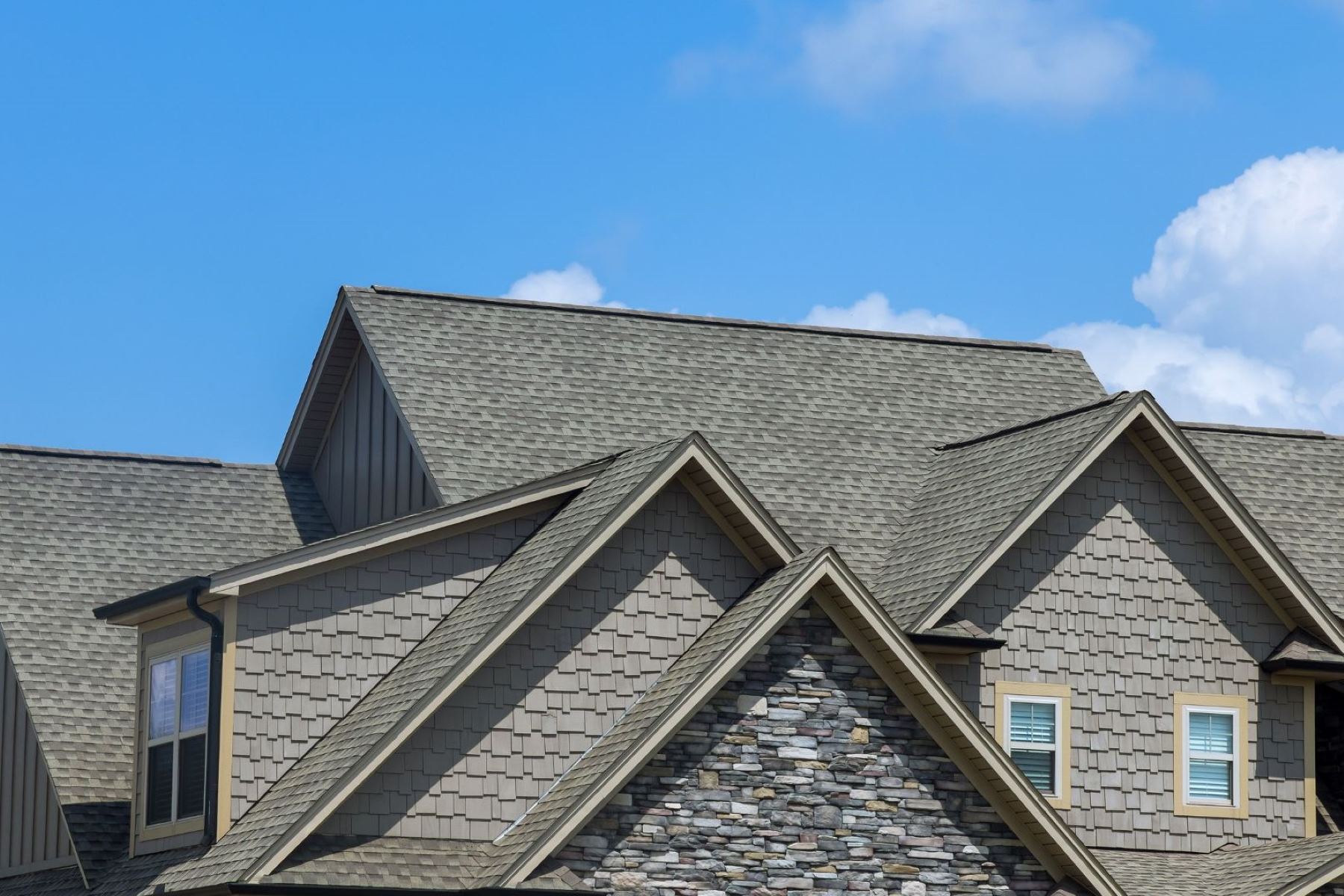
Asphalt shingles face the brunt of this environmental stress. Constant moisture absorption triggers an endless cycle of expansion and contraction, eventually causing shingles to curl and lose their protective granules. Once these granules wash away, the exposed asphalt becomes significantly more susceptible to UV damage and further water intrusion, compromising the entire roof system.
Humidity also compromises the structural foundation beneath the shingles. When attic ventilation fails to circulate air effectively, trapped moisture settles into the wood decking, fostering rot and mold growth. These interior issues often remain hidden until the damage is severe. Woodel emphasizes that signs such as musty odors or ceiling stains are often the first indicators that the roof’s internal environment has become a breeding ground for decay.
Professional inspections serve as the primary defense against these invisible threats. By identifying failing sealants, loose fasteners, or ventilation gaps during the peak of summer, homeowners can address minor vulnerabilities before they escalate into major leaks. Managing humidity is not about eliminating the weather, but controlling the airflow and material health that keeps a home secure through changing seasons.
Comments (0)
No comments yet. Be the first!