
Beijing’s investment of over $500 billion in clean energy has left the United States trailing, with U.S. domestic investment totaling only $236 billion during the same period. This dependency on foreign capital for manufacturing, coupled with global market volatility, has solidified China’s control over affordable solar panels, wind turbines, and battery storage. As countries rush to transition away from fossil fuels, China’s grip on these essential components provides it with significant geopolitical leverage.
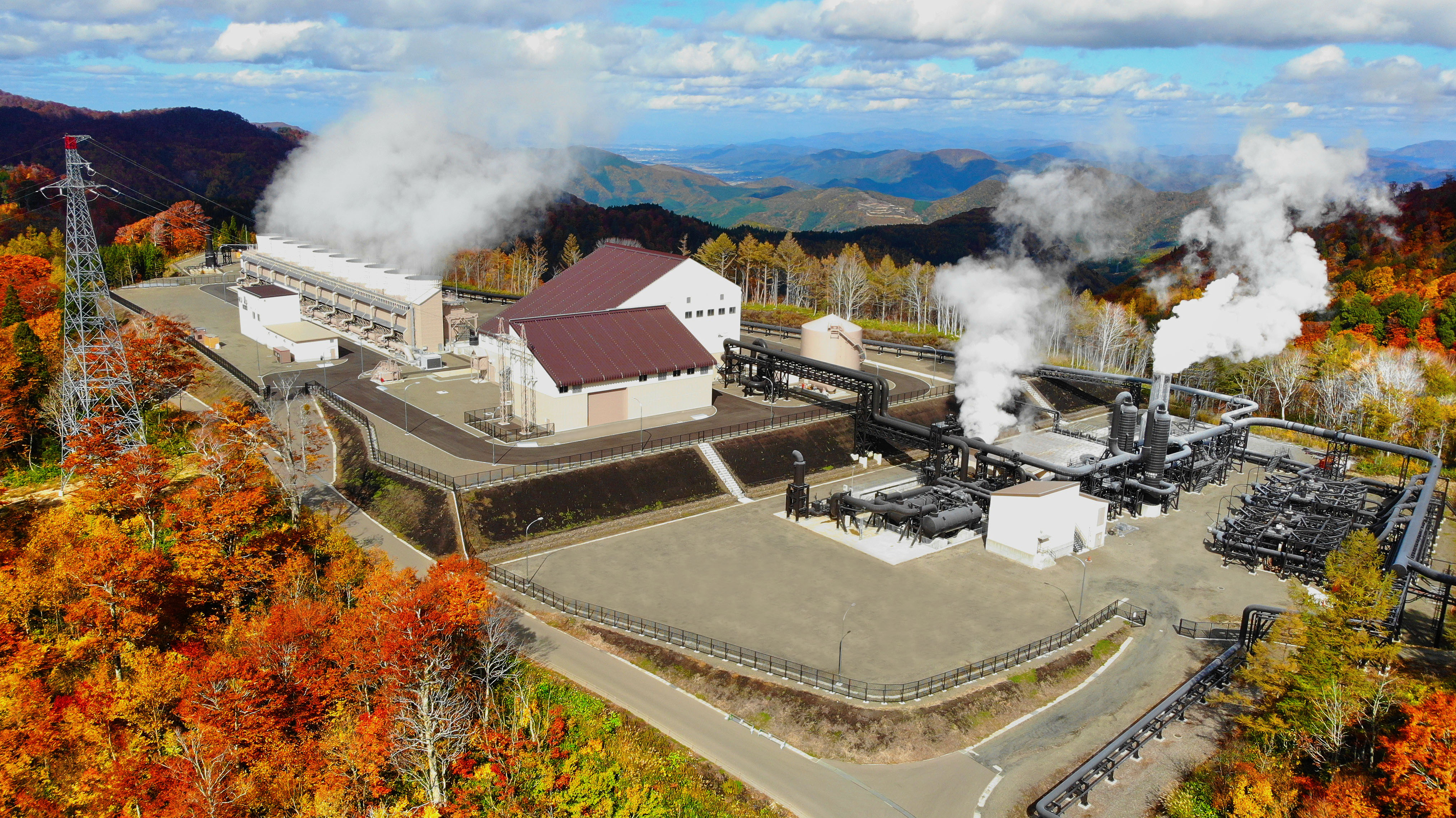
Despite this, the United States maintains a competitive edge in sectors that do not rely on weather-dependent generation. Enhanced geothermal energy, which utilizes advanced drilling to tap Earth’s heat, has gained rare bipartisan support and significant backing from Big Tech. The Department of Energy estimates that this technology could generate 90 gigawatts of carbon-free power by 2050. Simultaneously, the Trump administration is prioritizing the Reactor Pilot Program to accelerate the commercialization of small modular reactors, molten salt reactors, and nuclear fusion. By aligning federal resources with private sector capital from Wall Street and Silicon Valley, the U.S. aims to address the massive energy demands of the artificial intelligence boom while countering Beijing’s influence.
Comments (0)
No comments yet. Be the first!