
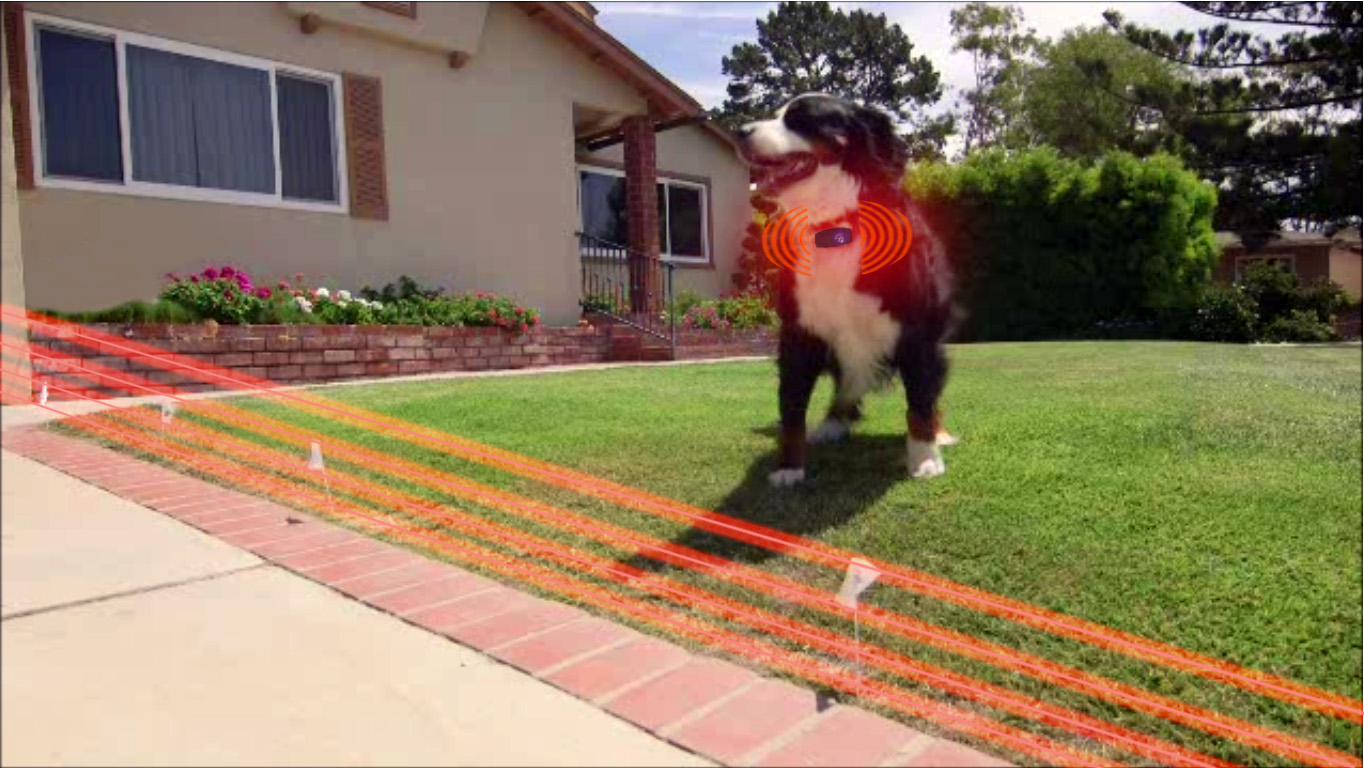
The methodology begins with visual markers, such as flags, placed along the perimeter to establish a clear spatial reference. As a dog approaches this boundary during guided sessions, the receiver collar triggers a warning tone. This signal provides the animal with a vital window to retreat before encountering a physical correction. Sowers emphasizes that repetition during brief, focused training intervals is essential for cementing this association.
Customization remains a critical component of the process. Factors including a dog's size, temperament, and coat thickness dictate the necessary correction levels. Sowers utilizes a magnet-based adjustment system on the collar, allowing owners to fine-tune settings without complex tools. This focus on equipment reliability extends to battery life, which can last up to two years, ensuring the warning system remains active throughout the training lifecycle.
As the dog progresses, the training environment must incorporate real-world distractions like toys or external sounds to test boundary respect. Success is achieved once the animal consistently halts at the sound of the warning tone, rendering visual markers unnecessary. Sowers notes that household consistency is equally vital; all family members must reinforce the same boundaries to prevent confusion. Even after the initial training phase, routine checks of collar fit and boundary performance are required to maintain long-term safety.
Comments (0)
No comments yet. Be the first!