
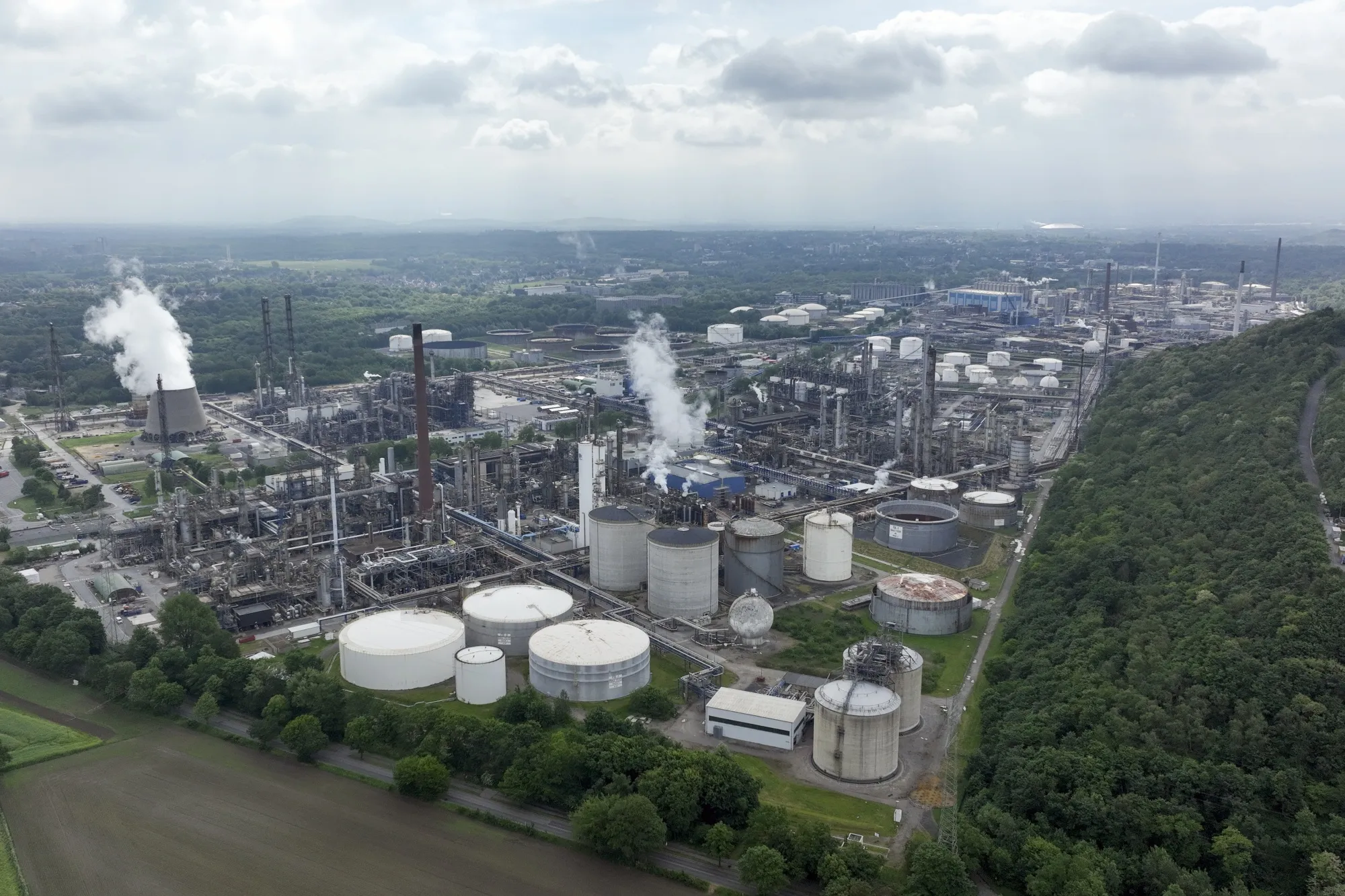
The transaction leaves BP with a leaner portfolio of five refineries, including major hubs in Cherry Point and Whiting in the United States, alongside European sites in Castellón, Lingen, and Rotterdam. Richard Harding, interim executive vice president of Downstream, noted that the divestment allows the firm to concentrate capital on markets where it maintains a competitive edge.
This sale follows CEO Meg O’Neill’s recent push to simplify the company’s structure and reduce costs. O’Neill, the first woman to lead a Big Oil company, recently signaled a shift toward fewer, higher-quality investments to bolster the balance sheet. Beyond the Gelsenkirchen exit, BP has initiated the sale process for its North Sea business, signaling a broader intent to move away from legacy operations in favor of long-term growth projects.
Comments (0)
No comments yet. Be the first!