
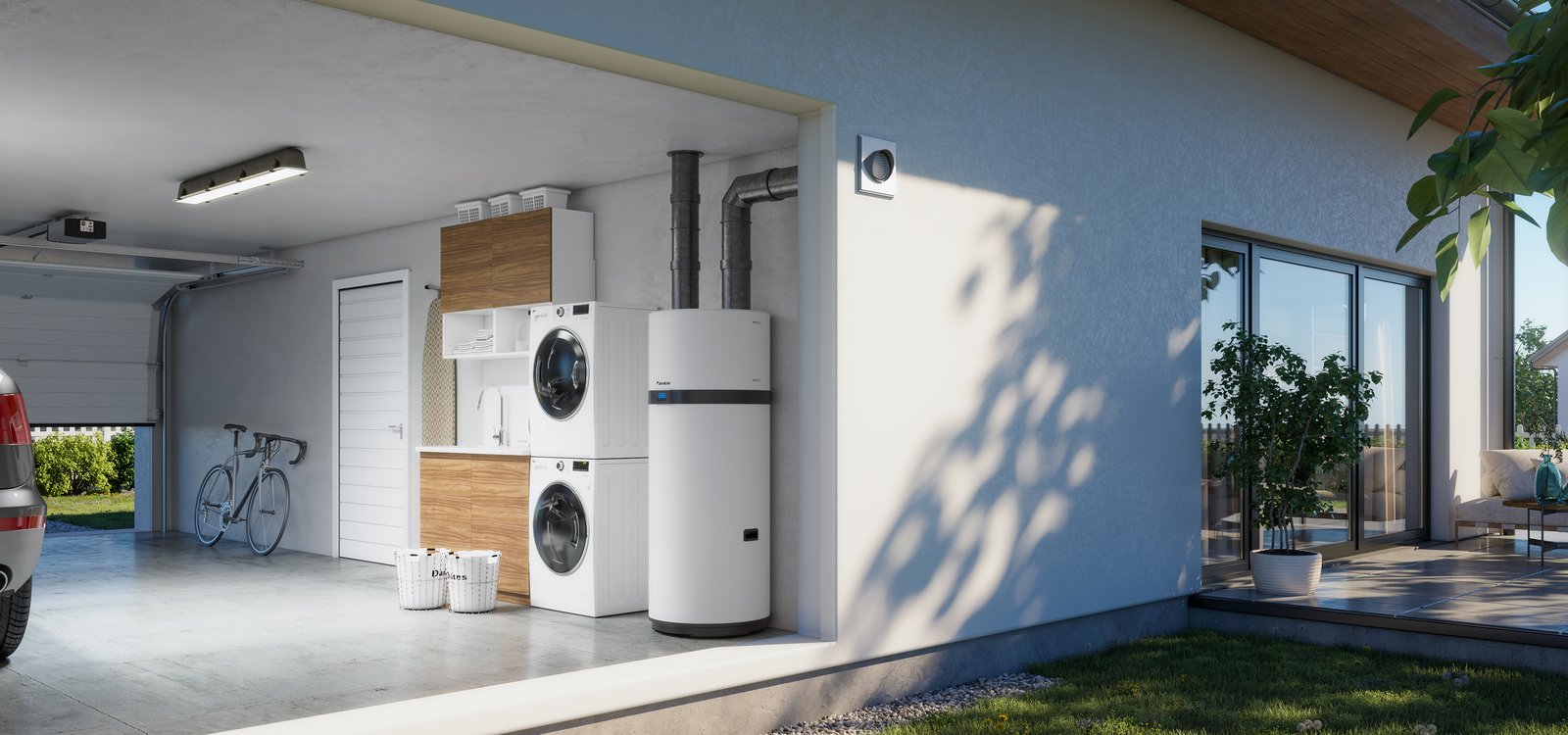
Calcium and magnesium deposits act as insulators at the bottom of a tank, forcing the heating element to draw more power just to maintain baseline temperatures. When residents encounter rumbling noises, lukewarm output, or inconsistent heating, professional flushing can often provide a temporary reprieve. However, Jay notes that these interventions rarely address the underlying corrosion occurring inside the tank lining. Once a unit reaches the decade mark, the cumulative cost of service calls frequently eclipses the investment required for a modern, high-efficiency model.
Visible leaks represent a critical failure point that precludes repair. Internal corrosion often leads to sudden ruptures, posing a significant risk of water damage to flooring and surrounding structures. Beyond safety, energy efficiency serves as a compelling argument for replacement. Newer units utilize advanced insulation and technology that significantly outperform aging systems, particularly in rental properties where consistent hot water is a necessity for guests. For those looking to move away from traditional storage tanks, tankless systems offer a continuous supply and reduced energy loss, though they require a higher initial capital outlay. To maximize the life of any new installation, Jay recommends installing a whole-home water softener to mitigate the harsh effects of local mineral content.
Comments (0)
No comments yet. Be the first!