
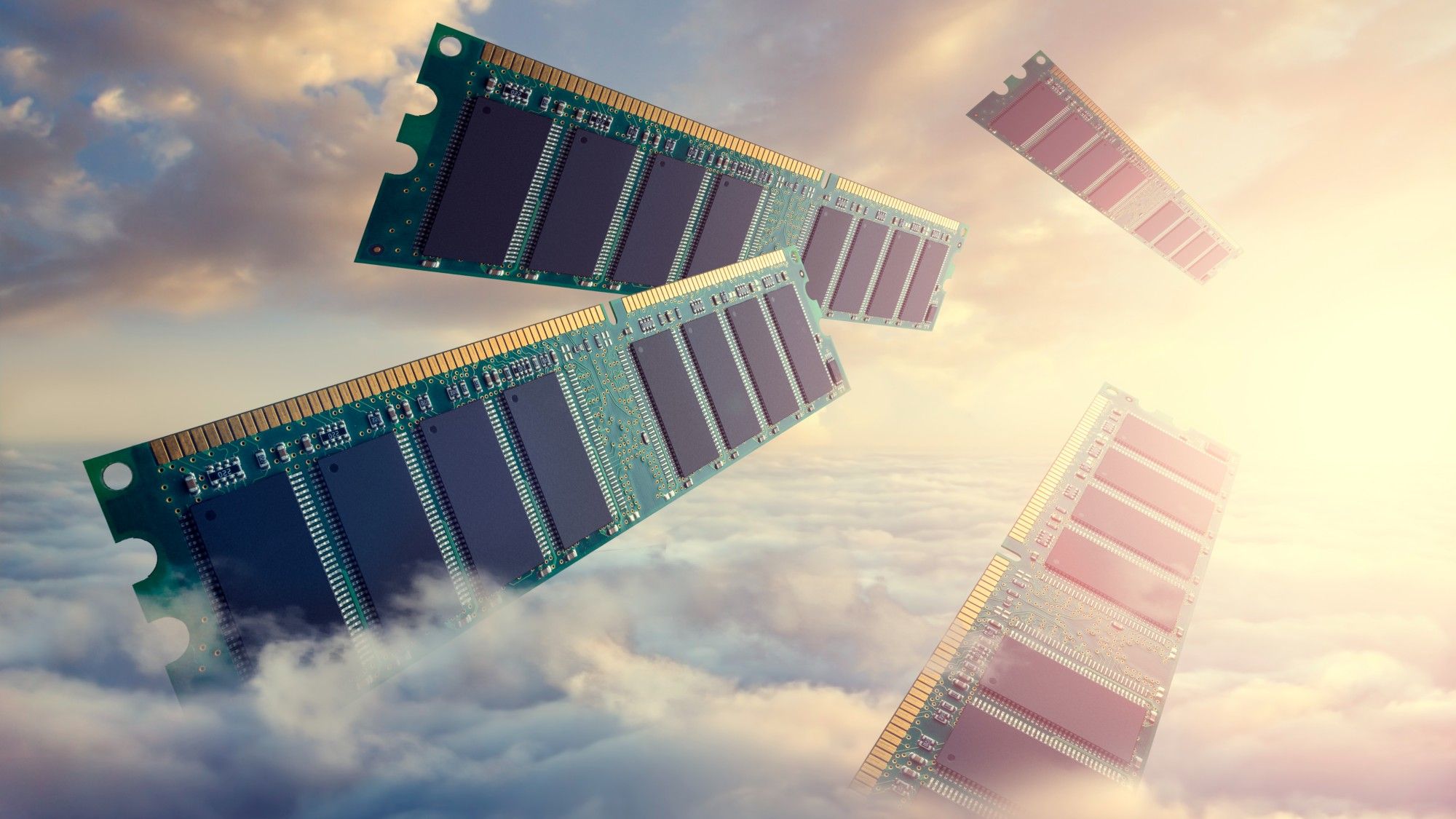
Major DRAM suppliers have initiated aggressive expansion plans, yet the complexities of semiconductor manufacturing mean these efforts will yield little relief in the near term. Manufacturers are currently maximizing output from existing fabs and accelerating process migrations to meet 2026 demands, but significant new production capacity won't materialize until 2028. Because HBM requires substantially more wafer input than conventional DRAM, the industry faces a compounding supply deficit. TrendForce projects that global server shipments will accelerate beyond the 17% growth recorded in 2026, driven by North American cloud service providers and the rise of Agentic AI.
Conversely, the NAND Flash sector is moving toward a more balanced environment. Suppliers have spent 2026 focusing on high-layer process migrations, but 2027 will see new fabs entering production. This supply surge coincides with persistent weakness in the consumer electronics market, where elevated component costs continue to dampen smartphone and notebook demand. While enterprise SSDs remain a growth engine, the overall NAND sufficiency ratio is expected to turn positive in 2027. Despite this, a surge in Agentic AI adoption could still serve as a wildcard, potentially absorbing excess supply by driving demand for high-speed, high-capacity storage solutions.
Comments (0)
No comments yet. Be the first!