
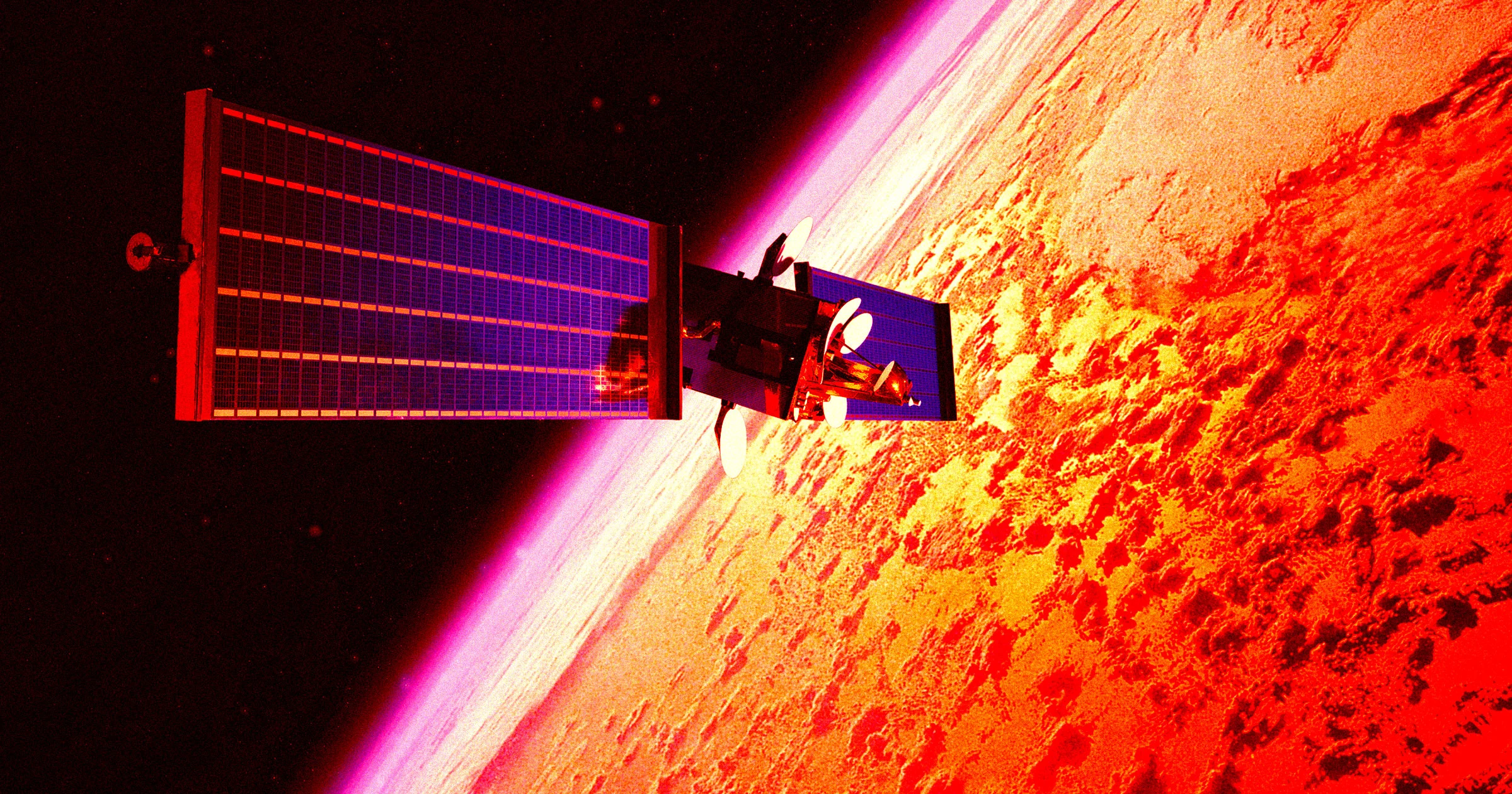
The invention, dubbed the TILE architecture, emerged from a high-risk research program at the Jet Propulsion Laboratory. Unlike terrestrial server facilities, these units are engineered to operate in the vacuum of space, using the environment itself to dissipate waste heat. The project draws on foundational research from Caltech’s Space Solar Power Project, which previously demonstrated the viability of wireless power transmission from orbit to Earth.
Dr. Leon Alkalai, founder and CTO of Sophia Space, emphasized that the shift from beaming power to beaming data represents a significant evolution in orbital infrastructure. The company is now deepening its collaboration with Caltech through a new sponsored research agreement focused on lightweight, deployable structures and advanced thermal management. As satellite constellations and AI-driven edge computing demand increase, the ability to process information locally in orbit becomes a critical national capability. Sophia Space plans to test these modular platforms in 2027, aiming to reduce latency and bandwidth bottlenecks for the growing commercial space economy.
Comments (0)
No comments yet. Be the first!