
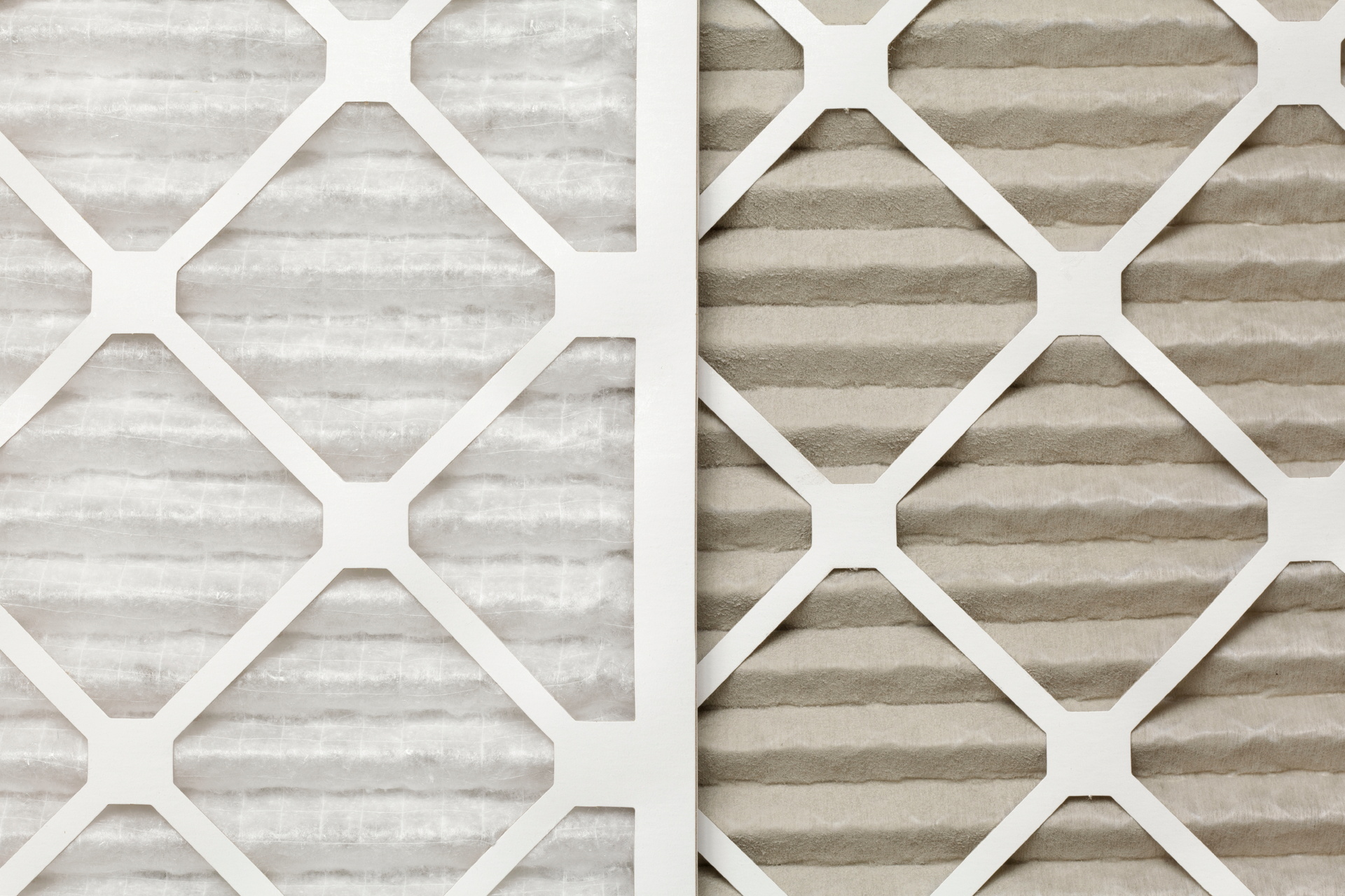
The new material, dubbed DIBA, functions by combining the structural stability of a solid with the particle-trapping properties of a liquid. By crosslinking polydimethylsiloxane through dynamic Schiff base chemistry, the team created a surface that continuously renews itself. As particles are captured, they are pulled into the adhesive layer, which clears the way for new contaminants to be trapped on the surface.
Testing revealed that this coating increases particle adhesion by nearly 70-fold compared to standard commercial filters. In practical applications, this resulted in a 10–30% boost in filtration efficiency, elevating filter performance from MERV 6 to MERV 11 without restricting airflow. Furthermore, the technology resists pore clogging, effectively doubling the operational lifespan of the filter media. Because the solution can be applied via a simple spray process, it is already compatible with existing manufacturing lines for HVAC systems, home purifiers, and industrial dust collectors. Professor Chae Bin Kim noted that the innovation provides a scalable path for improving air quality across sectors ranging from cleanrooms to automotive cabin filtration.
Comments (0)
No comments yet. Be the first!