
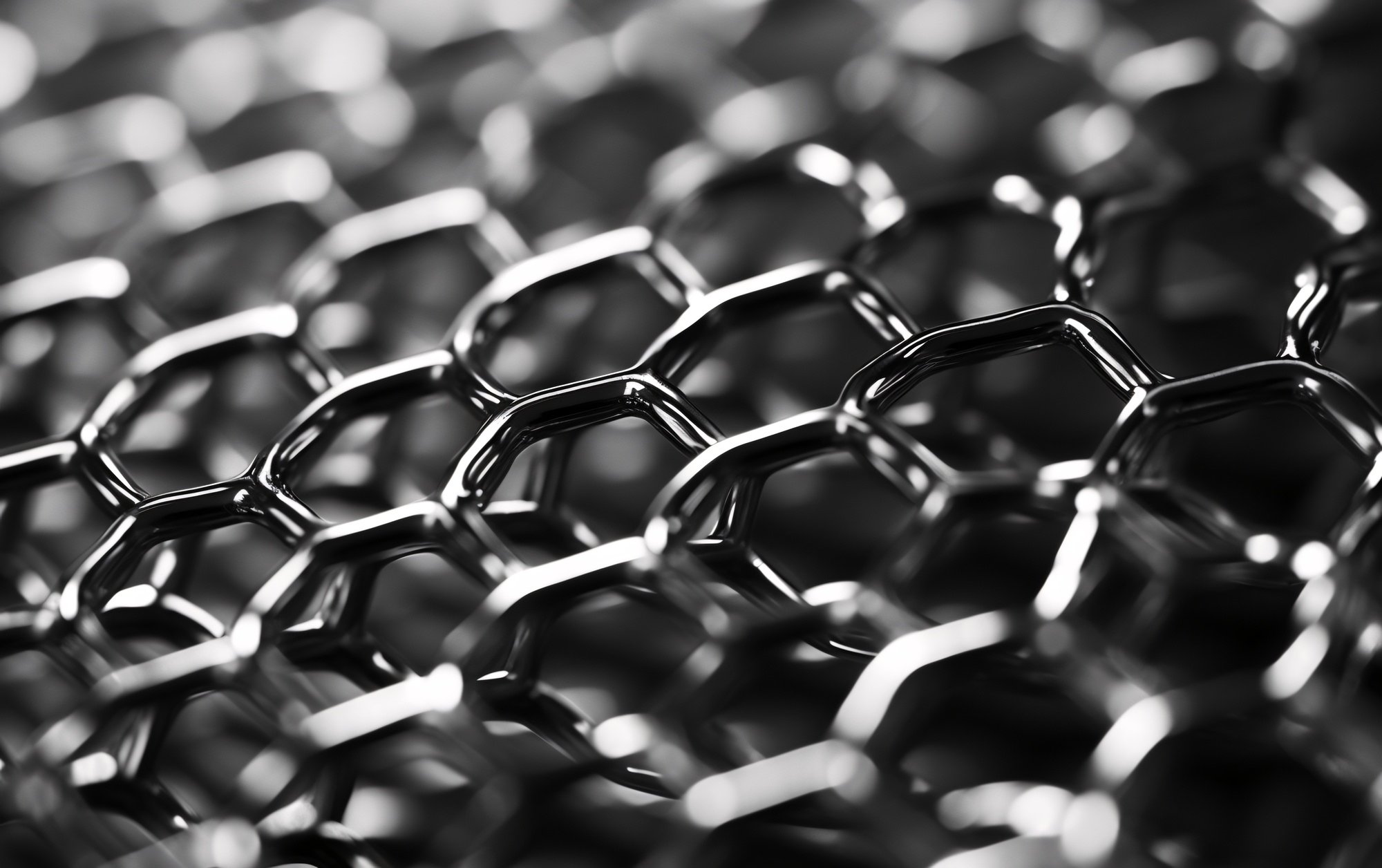
The process functions by splitting coal molecules based on bond energy. Structures below 500 kJ/mol are diverted to oil and gas, while high-energy aromatic hydrocarbons are refined into a condensed-ring pitch. This pitch, containing 80% aromatic ring structures and a mere 0.01% ash, serves as the base for advanced products including 3D graphene, carbon foams, and supercapacitor-grade activated carbons. The resulting carbon foam exceeds China’s Class A flame retardancy standards, meeting requirements for military and aerospace use.
Beyond technical performance, the method offers a shift in the economic and environmental profile of coal usage. It converts roughly 60% of coal carbon into usable materials, cutting CO2 emissions by approximately two tons per ton of processed coal while eliminating traditional waste streams. By re-engineering coal at the atomic level, the developers have created a pathway to elevate coal from a low-cost fuel to a precision feedstock valued at hundreds of thousands of yuan per ton.
Industrial adoption is already underway. Zhaoqing Shunxin has partnered with state-owned energy giant China Pingmei Shenma to construct a 6,000-ton-per-year production facility in Henan province. With downstream user testing of the carbon products yielding positive results, the technology is moving from experimental validation to full-scale commercial deployment.
Comments (0)
No comments yet. Be the first!