
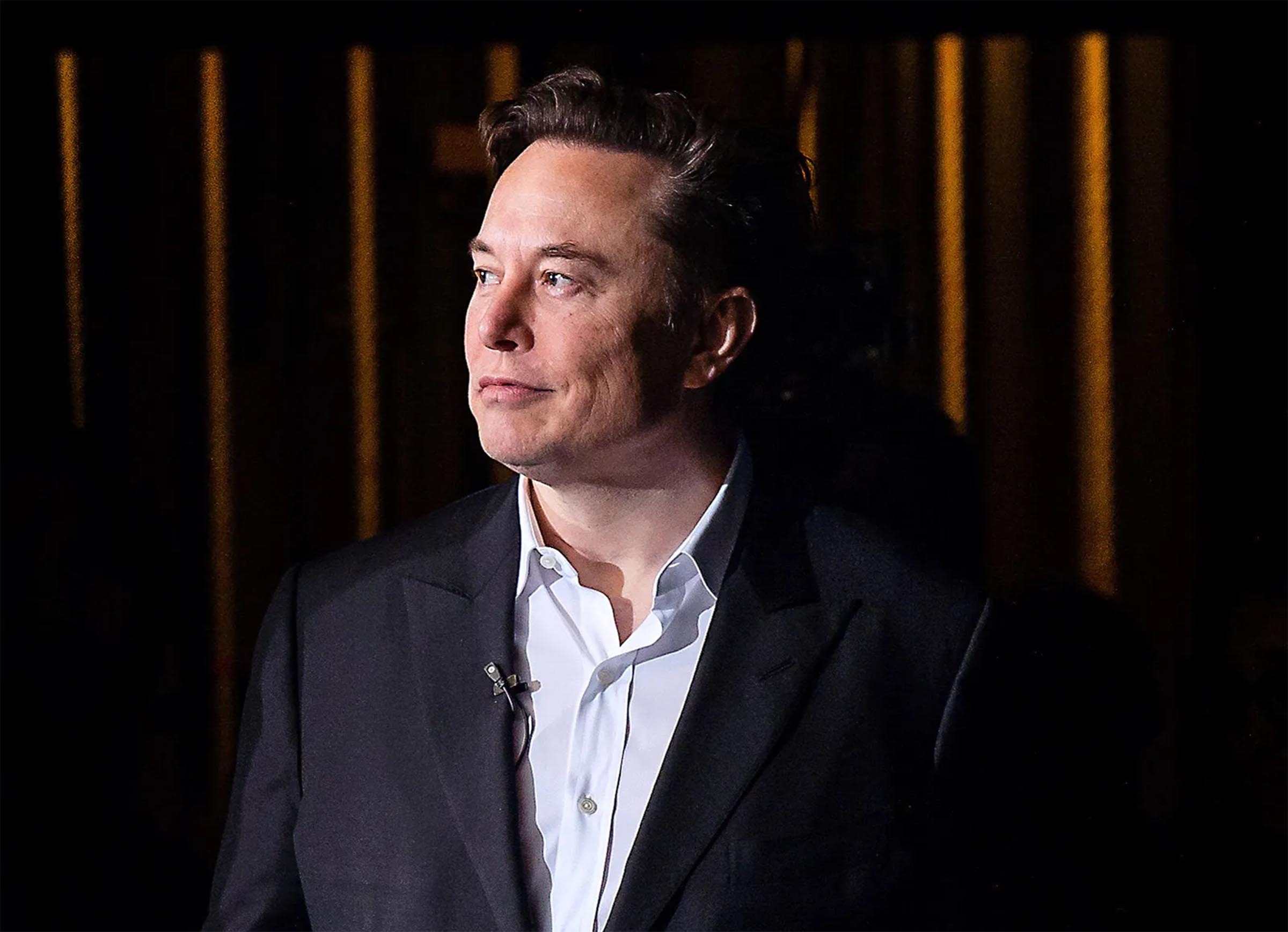
Musk’s projection relies on a familiar Star Trek-inspired narrative, suggesting that human labor will become a hobby rather than a necessity. He posits that governments could simply issue checks to the population, an ironic stance for a figure currently tasked with leading federal efforts to slash government spending. This contradiction highlights the fragility of a vision that assumes current Large Language Models will evolve into error-free, autonomous systems capable of replacing human intelligence in mission-critical infrastructure.
Critics point out that this techno-utopian pitch relies entirely on the future tense, ignoring the inherent limitations of current AI. Large Language Models are prone to persistent hallucinations and lack the reliability required for the complex tasks Musk describes. Furthermore, the economic model remains flawed: AI requires massive, increasing data center capacity for every new user, precluding the economies of scale that typically drive down costs. Instead of a utopia, the immediate trajectory of AI development appears focused on surveillance and military applications, funded by governments indifferent to the systemic errors these technologies inevitably produce. Rather than a harbinger of prosperity, the current AI push functions as a tool for public passivity, distracting from the environmental and economic costs of an industry that remains far from proving its own profitability.
Comments (0)
No comments yet. Be the first!