
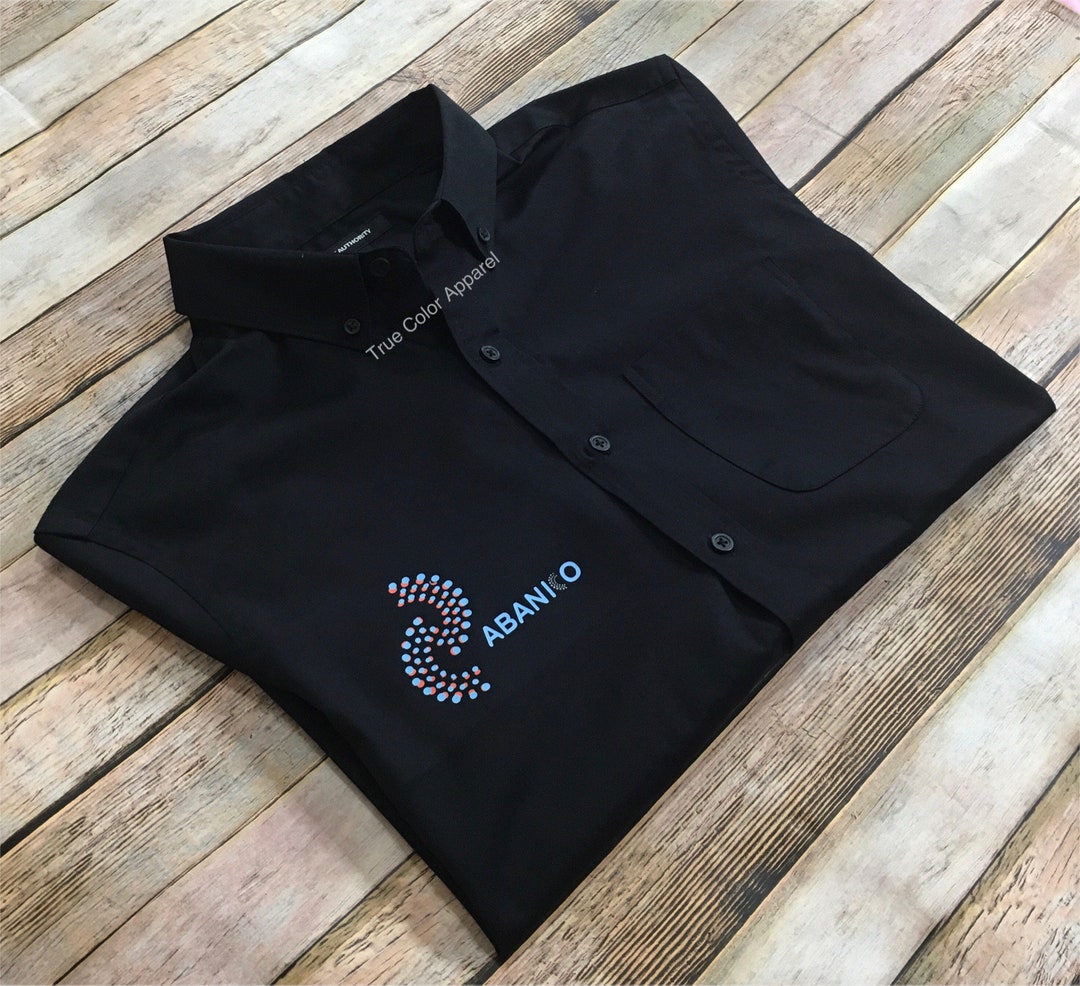
Identifying the functional role of the apparel is the first step in the procurement process. Uniforms designed for daily workplace use require durable, comfortable blends, whereas promotional items for public events often prioritize high-visibility graphics. Aligning these material choices with the intended environment prevents common pitfalls in quality and longevity.
Logistics management remains a critical hurdle for many organizations. Miller advises gathering precise sizing data well in advance to prevent shortages and recommends ordering extra stock in standard sizes to accommodate new hires or unforeseen event needs. Logo placement also demands foresight; professional uniforms often benefit from subtle branding, while trade show apparel typically requires bolder, larger-scale artwork to attract attention.
Production timelines and printing methods further dictate the success of an order. Screen printing remains the standard for large-volume consistency, while embroidery offers a professional finish for polo shirts. Partnering with local Buffalo providers allows businesses to review physical samples and adjust artwork in real-time, reducing the risk of errors. Placing orders several weeks ahead of deadlines remains the most effective way to avoid the price premiums and limited material availability associated with rush production.
Comments (0)
No comments yet. Be the first!