
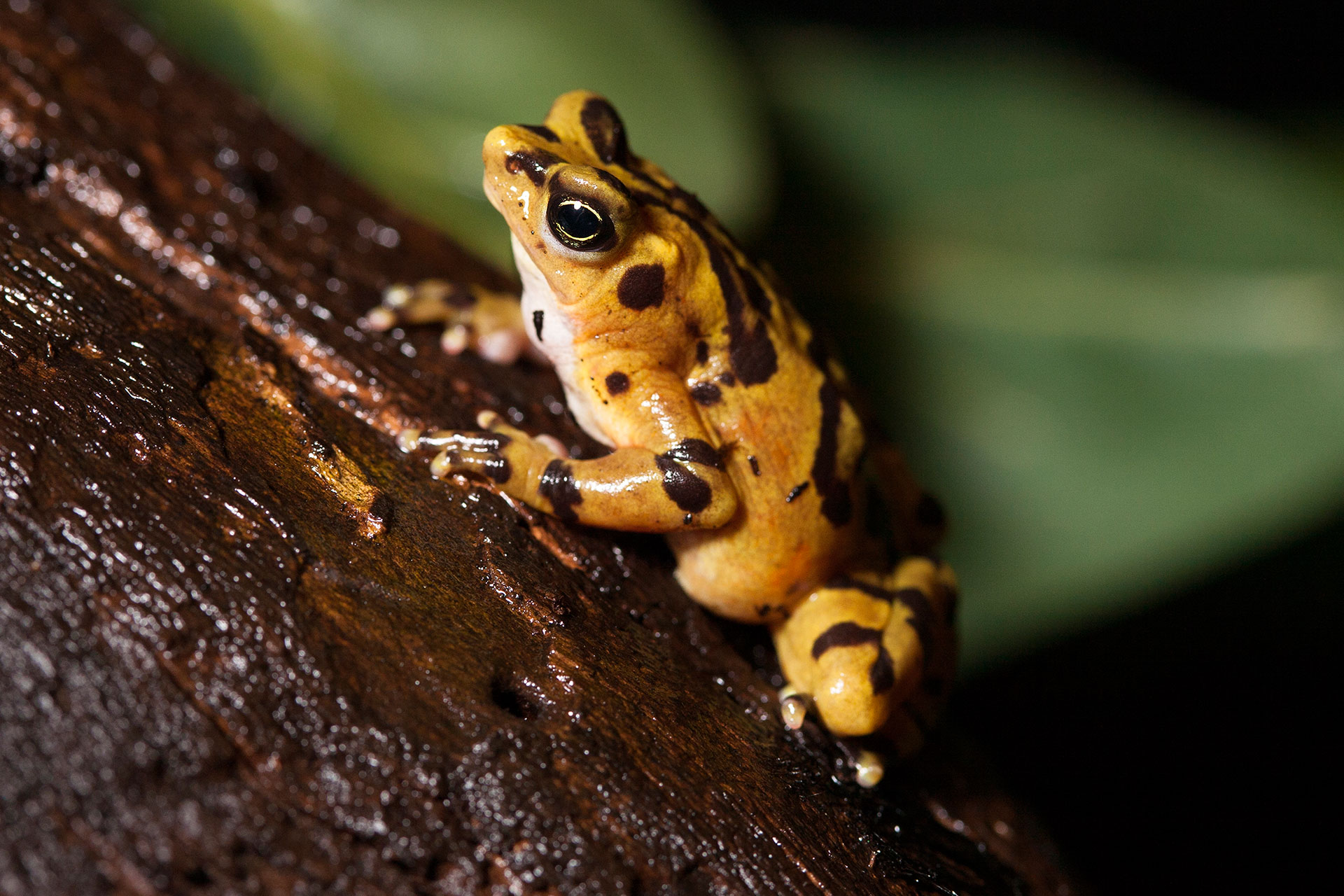
The project serves as a controlled research study comparing the development of captive-bred Atelopus zeteki and Atelopus varius frogs. By exposing the amphibians to natural variables like rainfall, temperature shifts, and UV radiation, scientists aim to gather data necessary for future survival in their native habitat. Heidi Ross, project manager at the EVACC Foundation, noted that understanding these environmental interactions is critical for the success of long-term reintroduction efforts.
The species, which serves as a national symbol for Panama, faced near-extinction due to the deadly chytrid fungus, Batrachochytrium dendrobatidis. Following an emergency rescue mission years ago, the population has been sustained exclusively in secure, indoor breeding programs across international zoos. The current outdoor initiative is supported by a coalition of institutions, including the Maryland, Fort Worth, Detroit, Atlanta, and Seneca Park zoos, alongside the Association of Zoos and Aquariums Species Survival Plan.
Ellen Bronson, senior director at the Maryland Zoo, described the milestone as a culmination of two decades of intensive health and conservation work. While the frogs remain in screened, shaded enclosures to prevent disease exposure, their presence in the El Valle de Antón region signifies a transition from strictly managed captive care to a more autonomous, natural life.
Comments (0)
No comments yet. Be the first!