
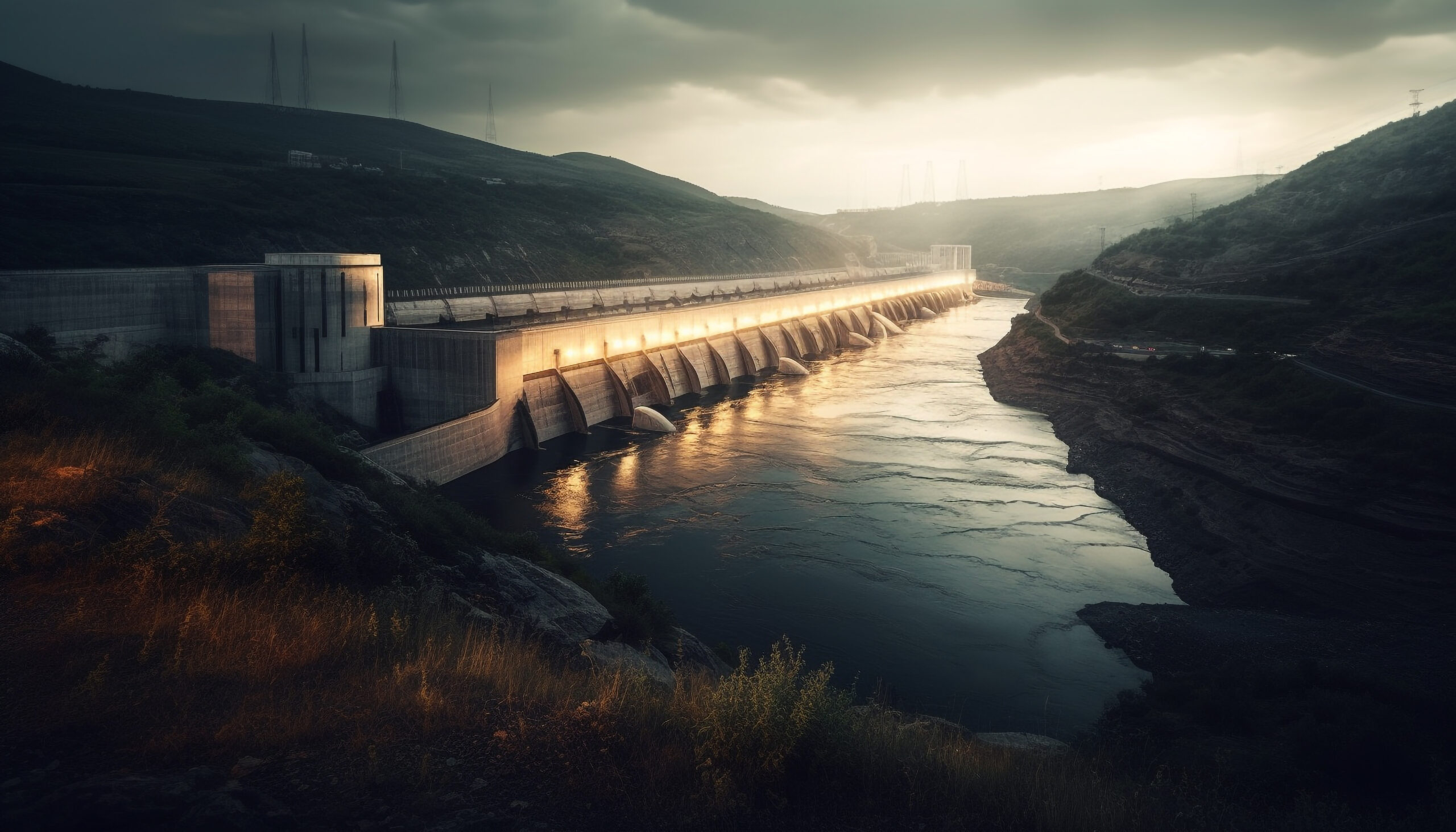
The report highlights that Austria, Bulgaria, France, Italy, Portugal, Romania, and Spain could integrate 18% of their anticipated renewable growth by 2030 through hybridisation. Currently, these hydropower facilities operate at an average of just 19% capacity. Integrating wind and solar resources could boost that output significantly, with solar potential rising to 31% and wind to 36% utilization. By sharing infrastructure, developers can bypass the severe transmission constraints currently stalling over 2,500 GW of global renewable projects.
Regulatory progress remains uneven across the continent. While Spain and Portugal have established frameworks for hybrid projects, other nations lack the necessary legislation to incentivize investment. Early adopters are already demonstrating the feasibility of this model: the Tâmega wind farm in Portugal is slated to share a substation with the existing hydroelectric complex, while France’s Lazer floating solar project has effectively doubled the capacity of its reservoir-based facility. With a 120 GW shortfall expected between grid capacity and renewable growth by 2030, Ember argues that maximizing existing sites is the most efficient way to maintain momentum without triggering further grid-expansion delays.
Comments (0)
No comments yet. Be the first!