
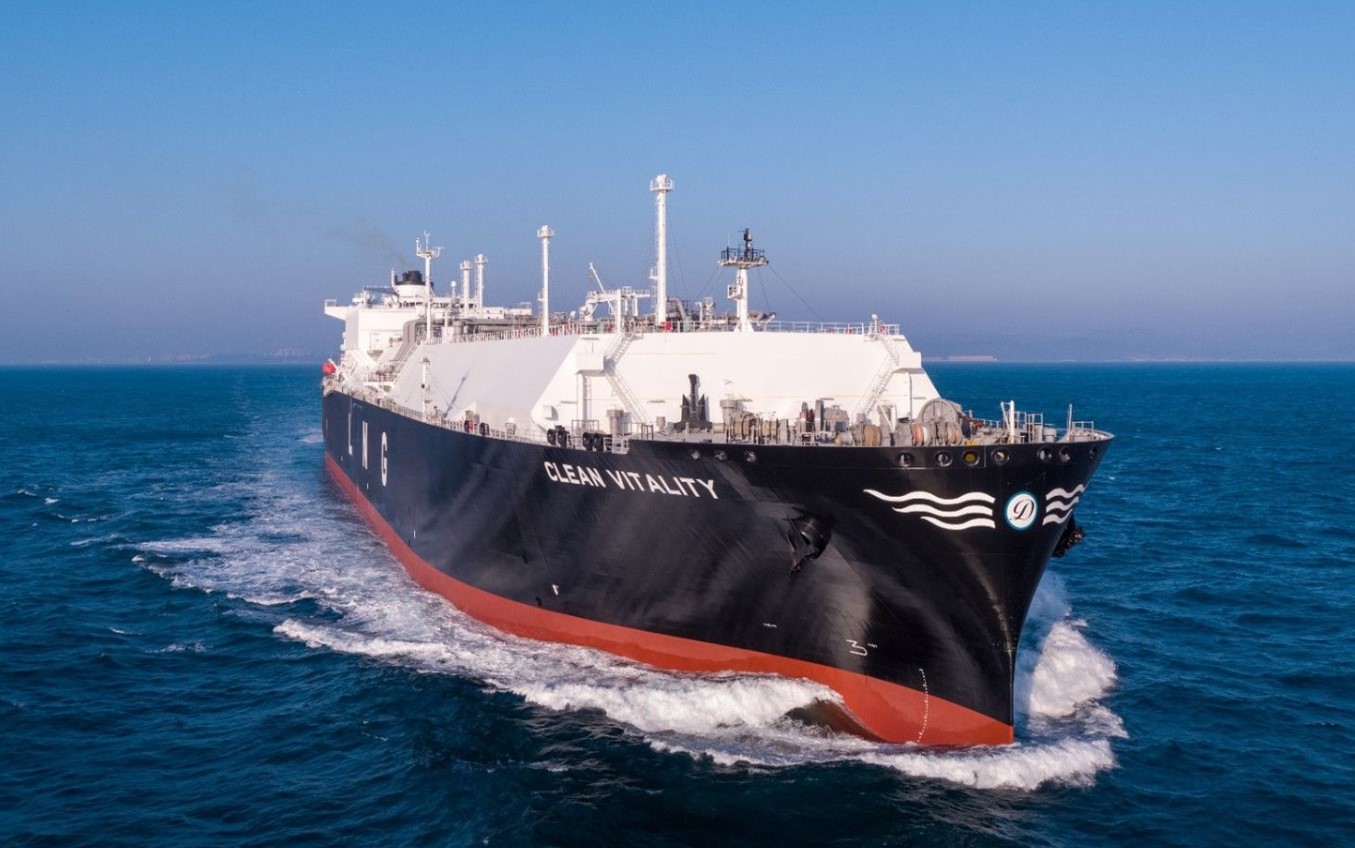
The concession allows Dynagas to continue transporting Russian liquefied natural gas to third-party destinations, though the agreement includes a volume cap pegged to 2025 levels. Brussels opted for the compromise after Greek officials warned that the blanket prohibition on LNG shipments would inflict disproportionate damage on the national economy. The exemption remains renewable, potentially softening the immediate impact of the broader EU ban on Russian gas purchases and transit.
Dynagas manages a fleet of 27 carriers, including a significant portion of the Arc7 tankers essential for servicing the Yamal LNG facility. The union’s reliance on this infrastructure remains high, with data from the first half of the year showing EU imports of Yamal LNG climbing 16% to a record 9.97 million tons. This volume accounts for nearly the entire output of the plant during that period, complicating the transition away from Russian supplies.
Market volatility adds further pressure to the bloc’s energy strategy. QatarEnergy recently extended a force majeure at its Ras Laffan site through October, triggering a price surge just as Europe attempts to bolster storage levels for the coming winter. With alternative supply chains constrained, the decision to accommodate Greek interests reflects the difficulty of enforcing a total energy decoupling without destabilizing domestic markets.
Comments (0)
No comments yet. Be the first!