
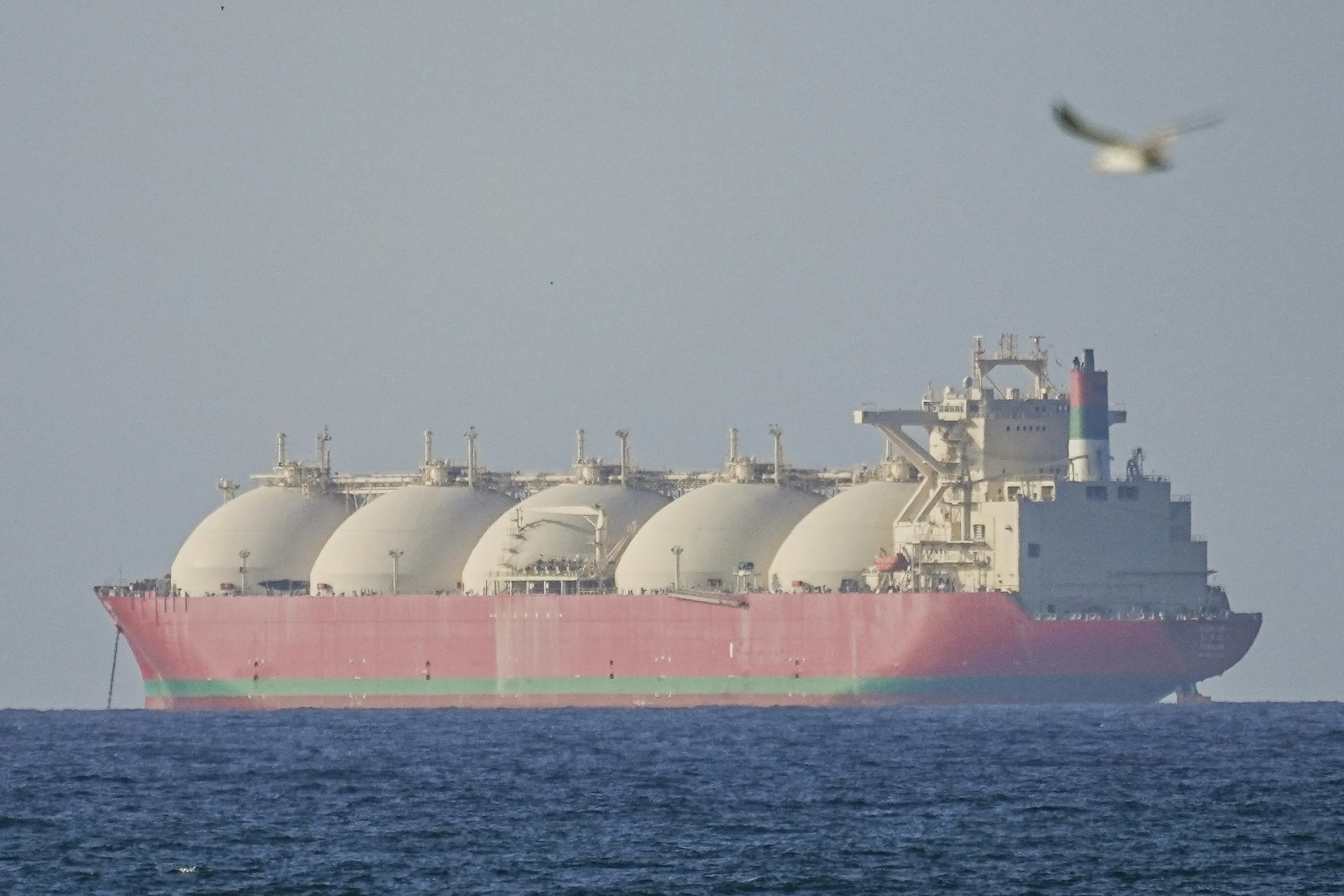
The crisis in the Middle East has exposed the fragility of energy supply chains for nations like the Philippines, which imports over 90 percent of its oil from the region. As shipping companies hesitate to navigate the Strait of Hormuz amid escalating US-Iran military tensions, Southeast Asian capitals are prioritizing immediate economic survival over long-standing diplomatic alignments. Lester Joseph Buitizon of Aldebaran Threat Consultants notes that even close US allies are now exploring energy cooperation with Russia, suggesting that Western sanctions are losing their structural leverage as Moscow reorients its economy eastward.
This shift is forcing a reassessment of the "hedge" strategy long employed by the Association of Southeast Asian Nations. Historically, these states relied on China for growth and the United States for security, but the distinction between economic and national interests is vanishing. Vincent Kyle Parada of the Philippine Navy’s Office of Naval Strategic Studies suggests that as Washington’s regional development footprint shrinks and trade tensions persist, China is effectively waiting for a vacuum to fill. The ability to guarantee energy security is becoming the new litmus test for regional influence, leaving the United States struggling to maintain its foothold against competitors who promise more reliable access to resources.
Comments (0)
No comments yet. Be the first!