
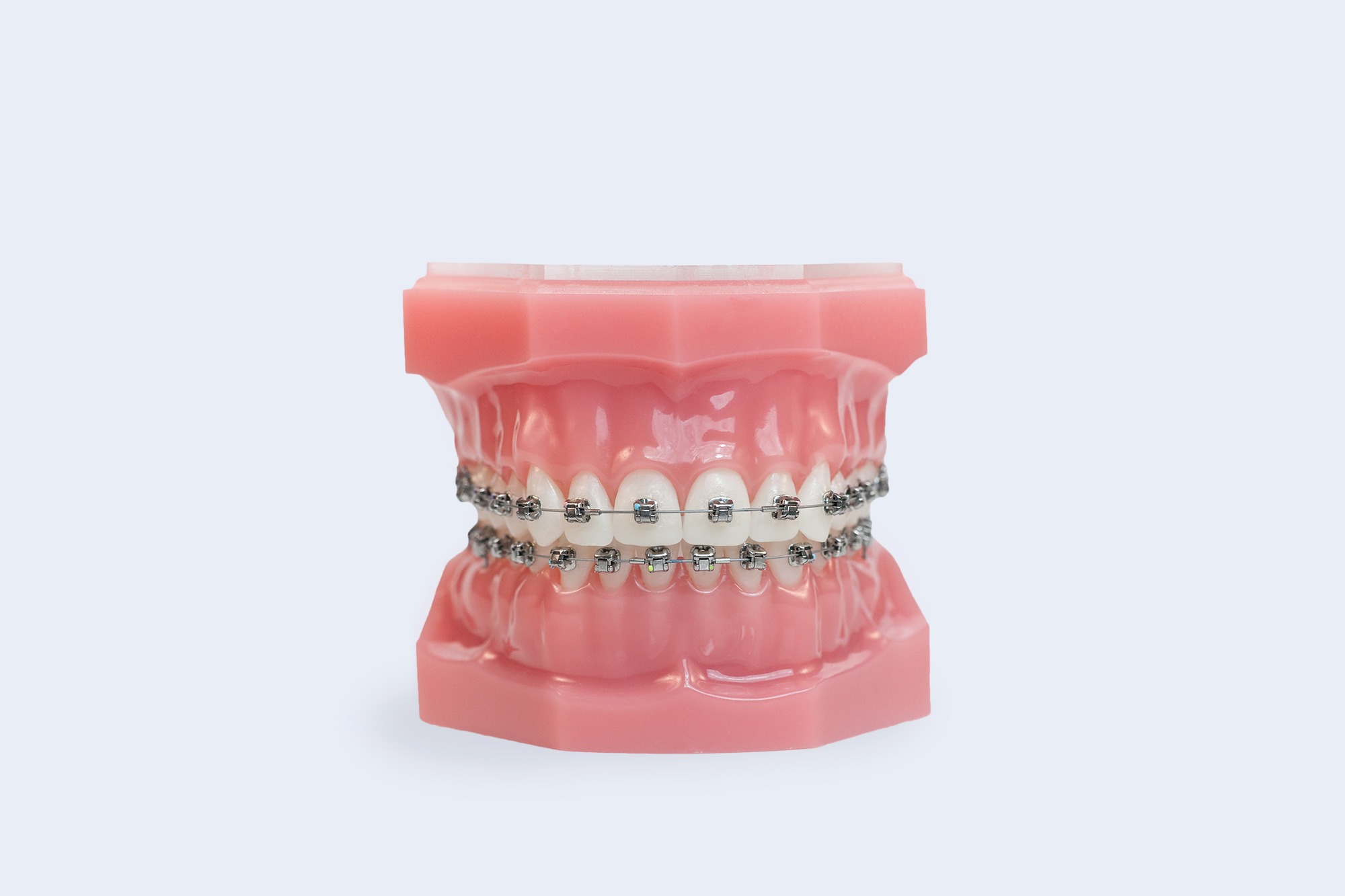
While the prospect of braces at age eight may seem premature, early orthodontic evaluation allows specialists to guide jaw development while the bone structure remains flexible. Dr. Okun notes that this stage is less about immediate full-braces treatment and more about monitoring growth patterns, identifying harmful oral habits like thumb sucking, and using targeted tools such as expanders or space maintainers to prevent future complications.
Waiting until the teenage years can limit a practitioner’s ability to influence skeletal growth, as the jaw is largely set by that time. A two-phase treatment approach, where early interventions address foundational alignment and later stages refine the position of permanent teeth, often results in more efficient and stable outcomes. Ultimately, proactive consultation provides a roadmap for families, ensuring that any necessary corrective action happens at the precise moment it will be most effective.
Comments (0)
No comments yet. Be the first!