
Traditional dentures remain a common, accessible solution for restoring basic chewing function. These appliances rely on suction or adhesives, resting directly atop the gums. Because they lack a physical anchor, they are prone to shifting during speech or eating, which frequently necessitates periodic adjustments as gum tissue changes shape over time.
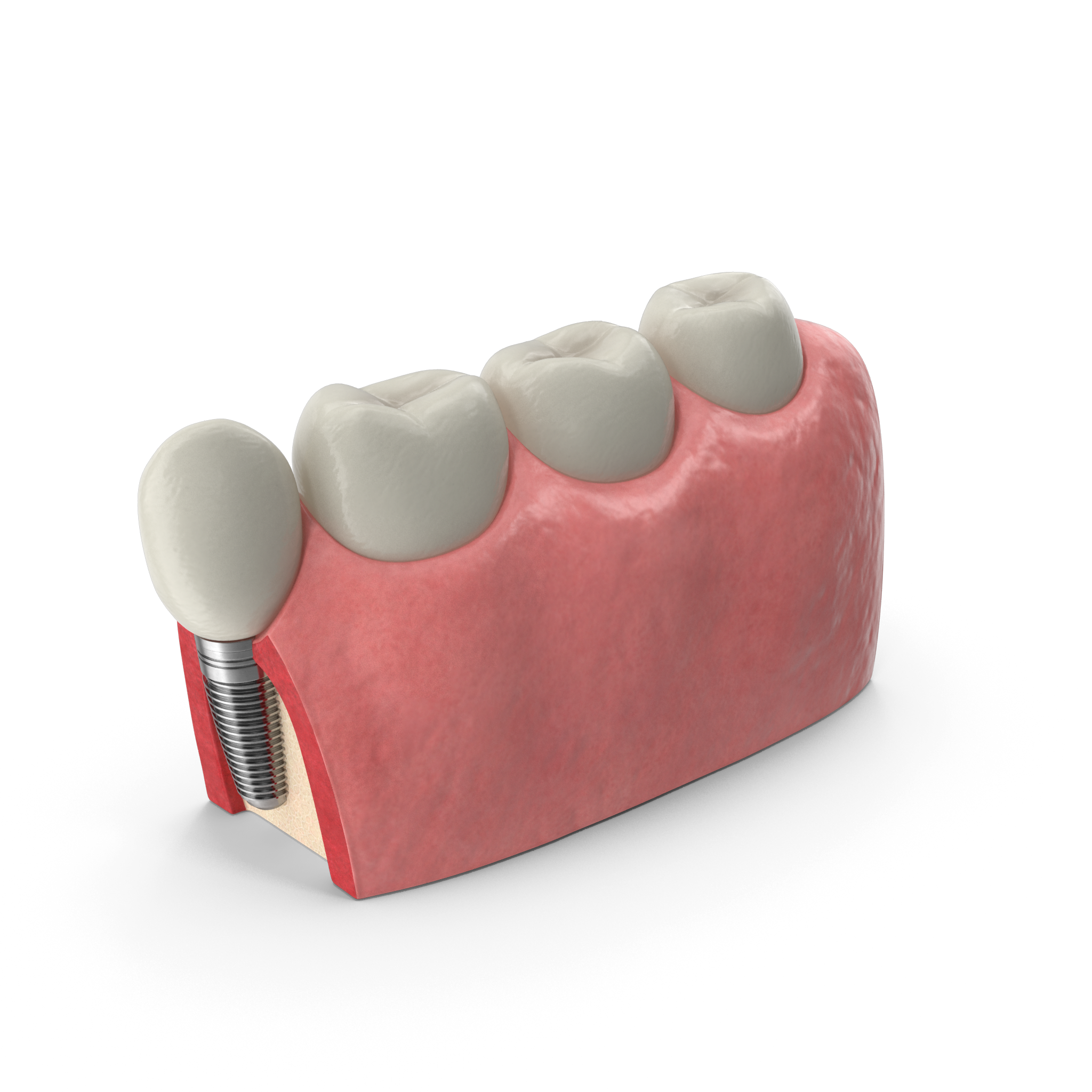
Implant-supported dentures function differently by utilizing implants as secure anchors within the jawbone. This design provides superior stability, which directly translates to improved chewing efficiency and a more natural experience. Beyond immediate comfort, implants offer a distinct medical advantage: they provide necessary stimulation to the jawbone. This process helps mitigate the bone resorption that typically follows tooth loss, effectively preserving facial structure in a way traditional dentures cannot.
Financial considerations and individual health profiles ultimately dictate the choice. While implants require a higher initial investment, they often reduce the frequency of professional adjustments. Prospective patients must undergo a professional evaluation to assess bone density and overall health, as not every candidate possesses the structural requirements for implant integration. Making an informed decision requires weighing these long-term health benefits against personal comfort preferences and immediate budget constraints.
Comments (0)
No comments yet. Be the first!