
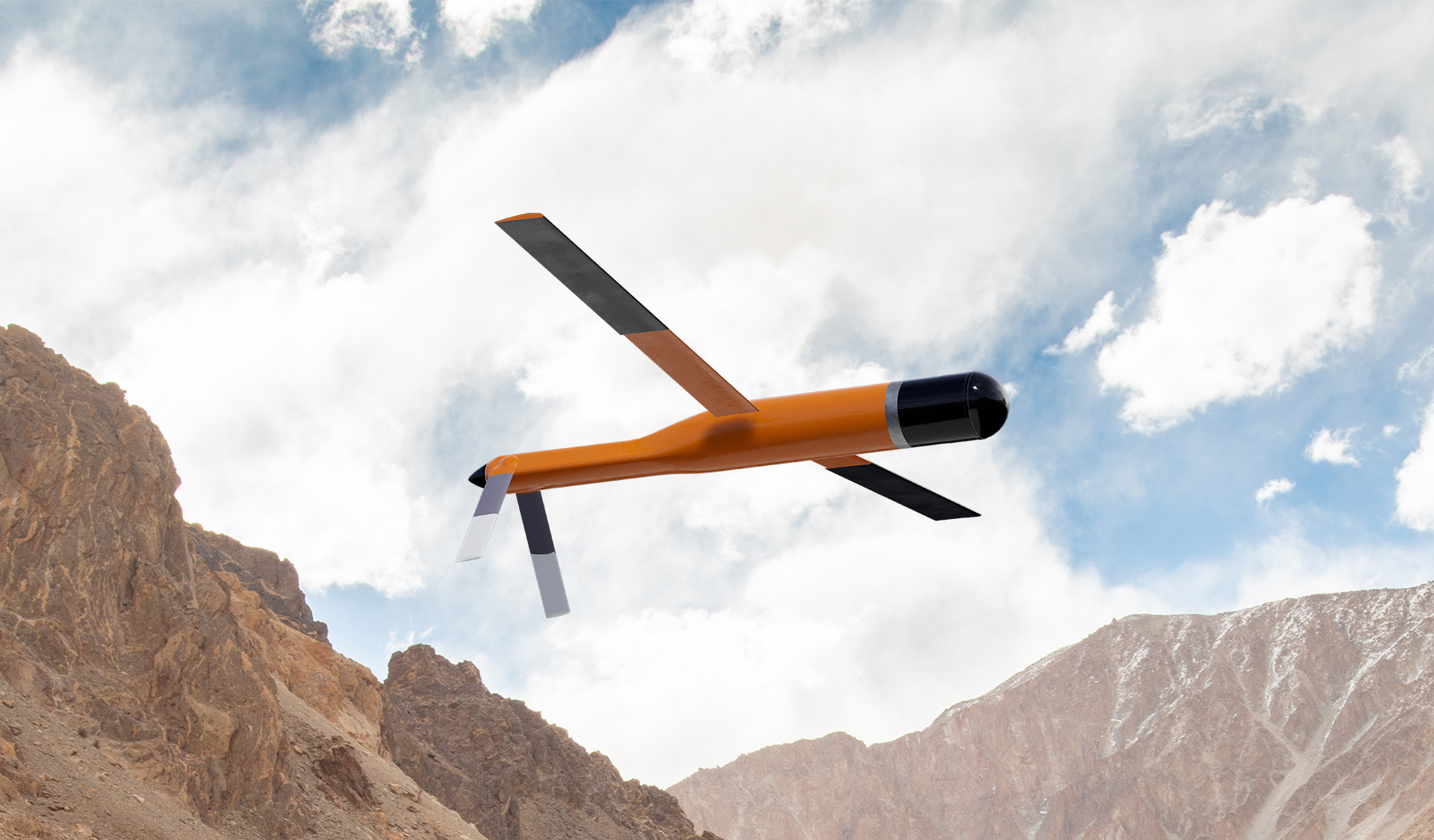
The system distinguishes itself by being sensor and command-agnostic, allowing integration without the need for unique guidance hardware. By prioritizing field recovery and reuse, the platform seeks to protect defense budgets while maintaining a high volume of fire. This iteration builds on flight and lethality testing conducted across Arizona, California, and Oklahoma, refining the capabilities of variants that have been in development since 2017.
Randy Crites, vice president of Lockheed Martin Missiles and Fire Control Advanced Programs, noted that the architecture establishes a new benchmark for counter-drone efficiency. The company is currently accelerating prototype production to transition the technology from laboratory environments to active duty. This deployment aligns with the U.S. Department of War’s 2025-2028 Rapid Response Counter-UAS Roadmap, positioning the system as a primary defense asset against massed aerial threats.
Comments (0)
No comments yet. Be the first!