
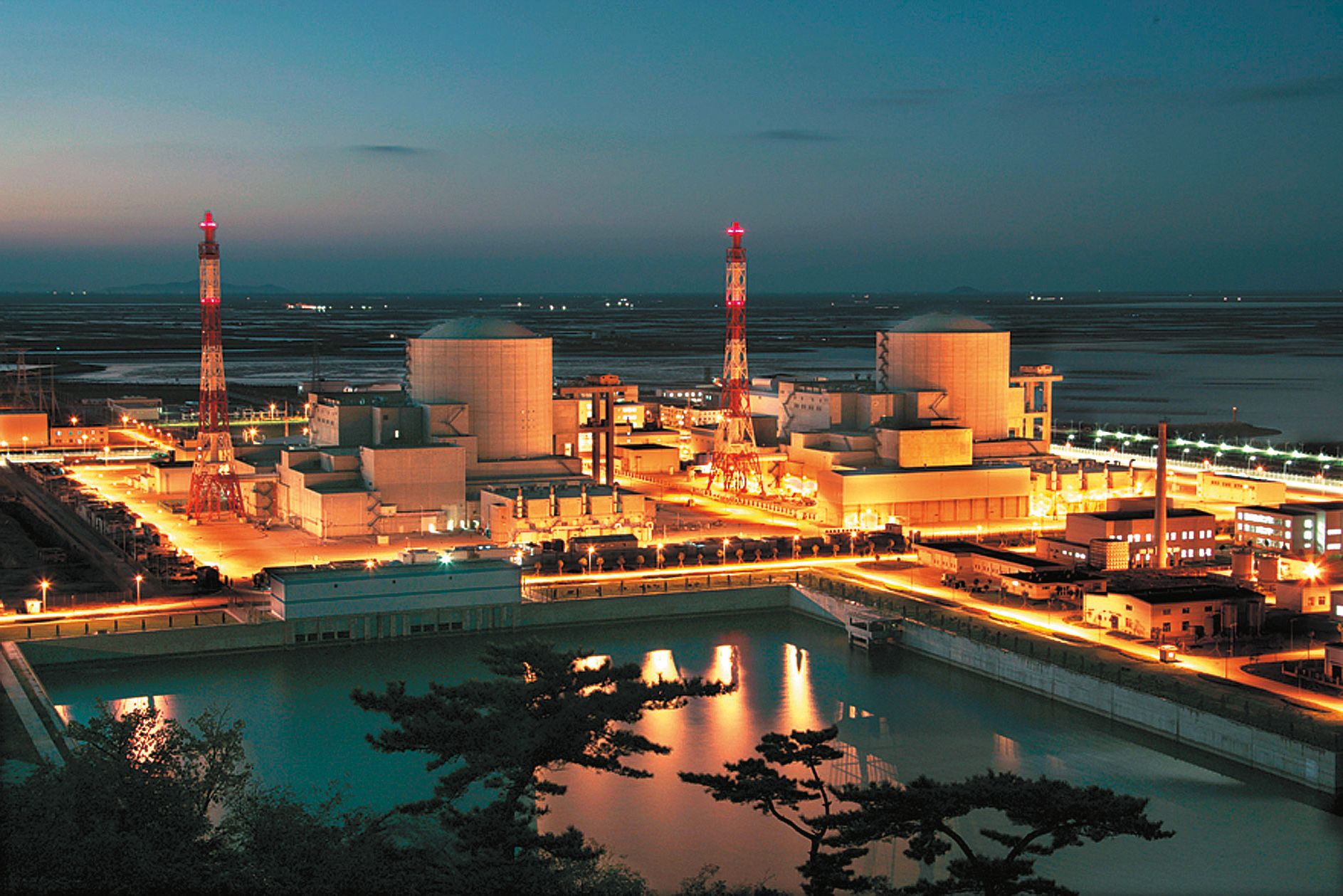
Almassadam Satkaliyev, chairman of Kazakhstan’s Atomic Energy Agency, recently completed an extensive tour of Chinese nuclear facilities, including the Tianwan plant and ongoing projects at the Xuwei site. This visit follows a formal protocol signed with Wang Hongzhi, head of China’s National Energy Administration, cementing plans for China’s National Nuclear Corp. to build two large-scale reactors in Kazakhstan by 2025.
Beyond nuclear power, regional connectivity is accelerating through the Middle Corridor. Uzbekistan and Azerbaijan are moving to establish a joint logistics center near Baku and a Caspian fleet to synchronize with the China-Kyrgyzstan-Uzbekistan (CKU) railway project. Meanwhile, Kyrgyzstan is turning to Beijing to secure fuel imports, with China agreeing to supply 3,000 tons of jet fuel to offset supply disruptions from Russia. Tajikistan is similarly pivoting, utilizing CNPC’s geophysical expertise to identify new domestic oil and gas reserves.
China’s influence extends into the manufacturing and services sectors as well. Kazakhstan’s Allur has entered a partnership with Li Auto to produce electric vehicles, while new direct flights between Aktau and Urumqi have opened by low-cost carrier FlyArystan. In Tajikistan, trade diversification is gaining momentum, with authorities clearing the export of agricultural goods—ranging from fresh fruit to poultry products—to the Chinese market. These initiatives, coupled with educational exchanges in the petroleum and medical sectors, underscore a comprehensive expansion of Beijing’s regional influence.
Comments (0)
No comments yet. Be the first!