
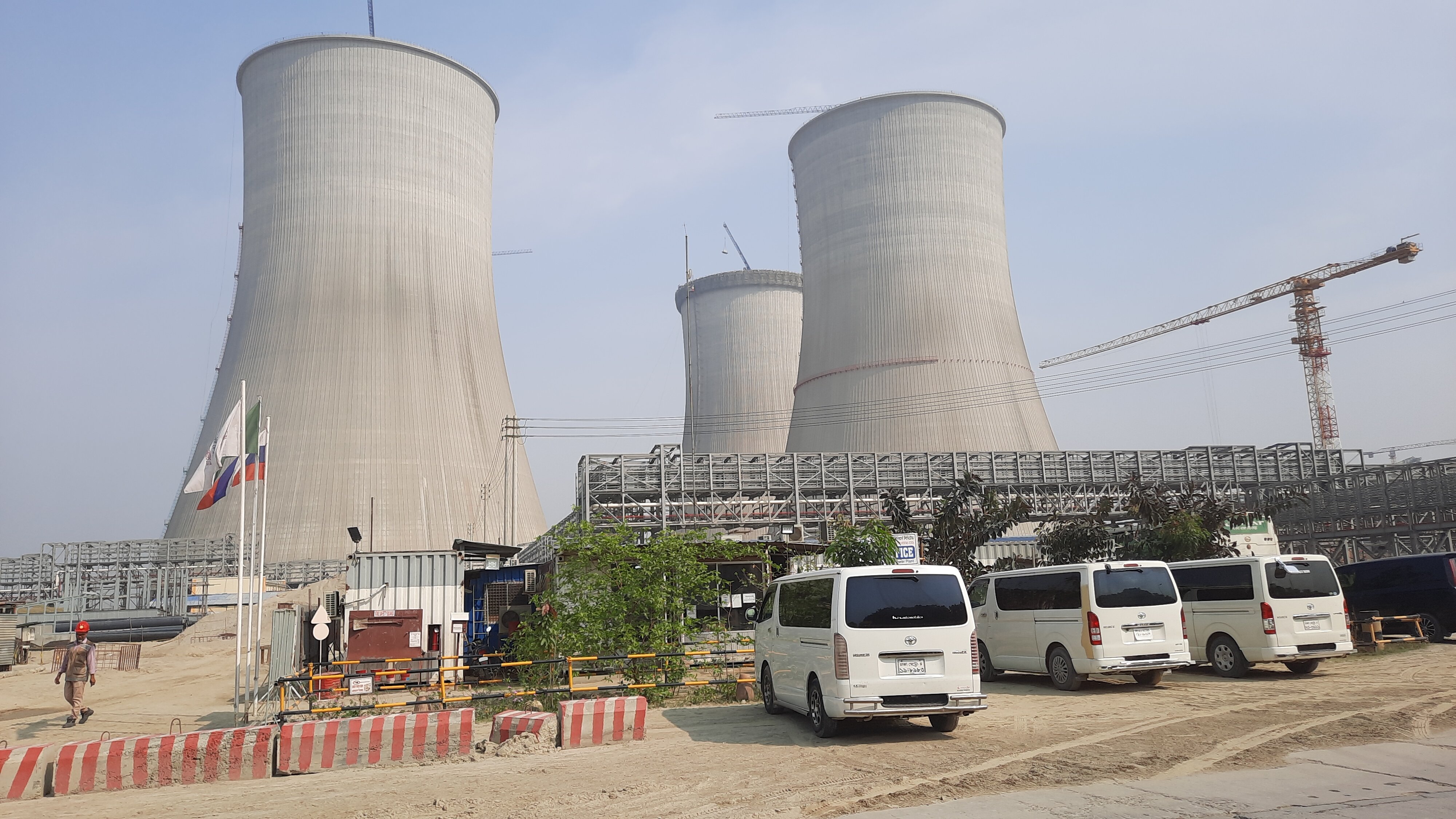
The 2.4-gigawatt Russian-built facility on the banks of the Padma River represents a strategic pivot toward energy independence. For years, regional conflicts and volatile global fuel markets have forced Bangladesh to endure rolling blackouts and expensive imports. By providing stable, low-carbon baseload electricity, the plant is expected to meet roughly 15% of the national power demand once fully commissioned in 2028.
This transition arrives at a volatile moment. Currently, Dhaka relies heavily on Indian power conglomerates like Adani Power, a dependency that has sparked friction over pricing and payment arrears. Two years ago, a dispute over an $800 million debt led to a 60% cut in electricity exports from India, plunging parts of Bangladesh into severe shortages. This vulnerability has accelerated the government’s interest in diversifying its energy mix.
Despite the strategic necessity, the Rooppur project has been plagued by pandemic-related supply chain snags, currency fluctuations that inflated costs by 25%, and complications involving Western sanctions on Russian-linked infrastructure. Given these hurdles, policymakers are already eyeing a shift toward Small Modular Reactors (SMRs) for future development. These units offer lower entry costs and faster deployment timelines, signaling that while Rooppur marks a massive leap into nuclear power, it may be the last project of such immense scale for the nation.
Comments (0)
No comments yet. Be the first!