
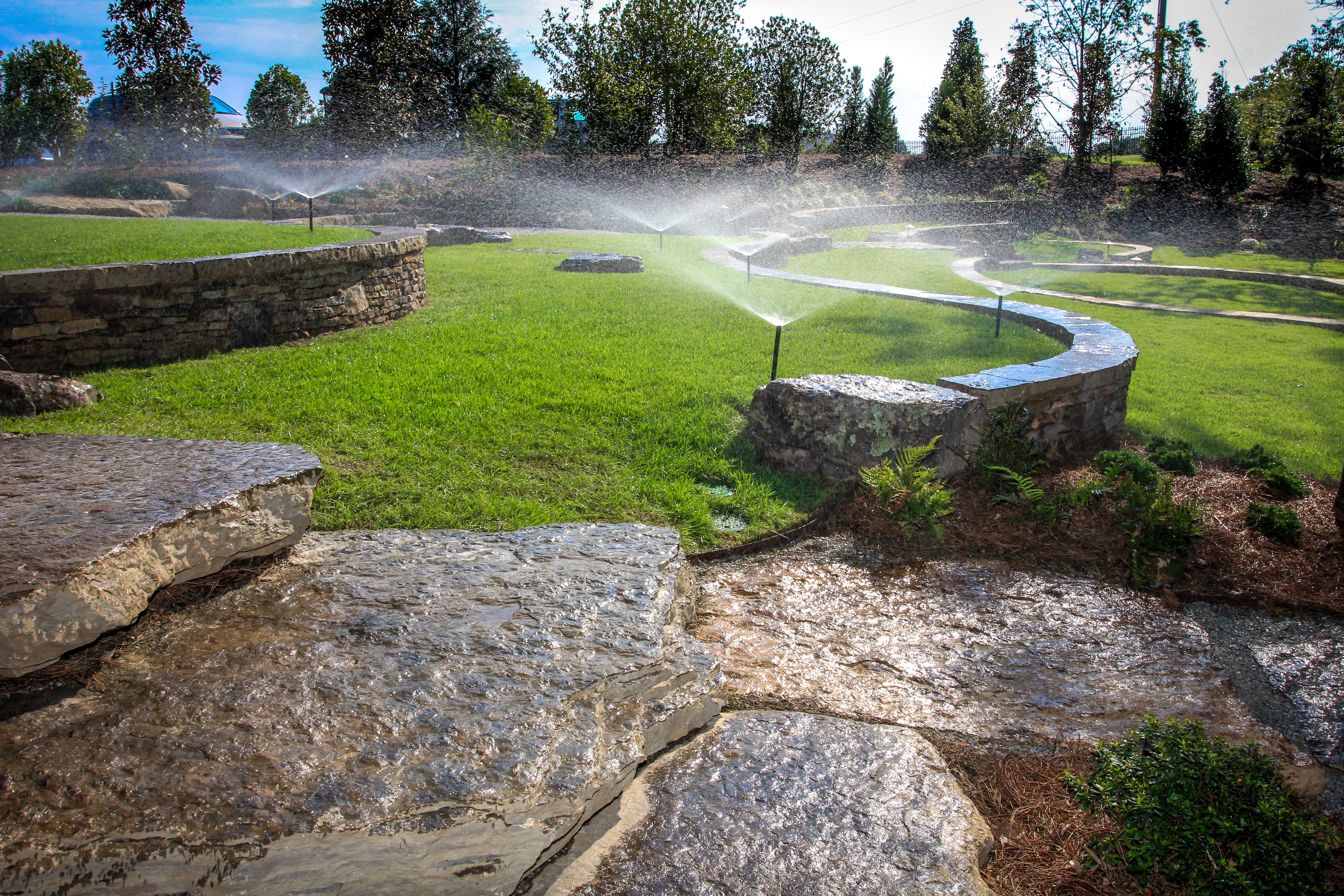
Lawns in this region typically demand one and a half to two inches of water weekly, though extreme heat often necessitates supplemental hydration. Johansen emphasizes that the secret to long-term health is not just the volume of water, but the delivery method. Trees thrive on deep, consistent irrigation that builds resilient root systems, whereas shrubs require a more moderate, steady approach to stay grounded during the driest months.
Efficiency remains the primary hurdle for local homeowners. Johansen suggests that irrigation systems equipped with timers and specific zones are essential for tailoring water output to different plant species. Proper timing is equally critical; watering during the early morning hours minimizes evaporation loss and prevents the fungal risks associated with evening moisture. By integrating organic material into the soil to improve retention and strictly avoiding midday watering, residents can sustain lush gardens even when temperatures soar. Success in West Texas gardening is ultimately a matter of balancing environmental constraints with the specific physiological needs of the landscape.
Comments (0)
No comments yet. Be the first!