
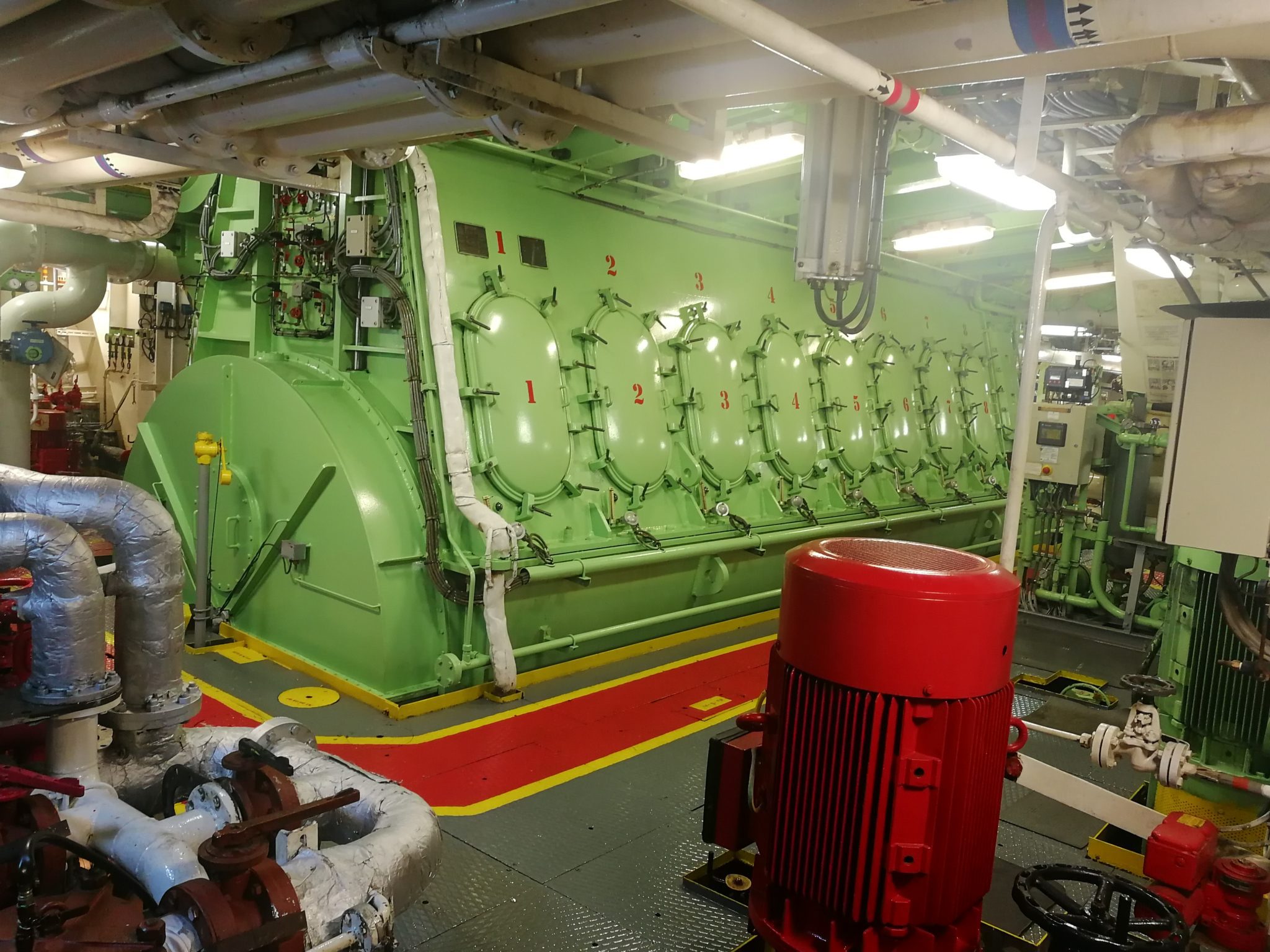
Shipowners are currently navigating a complex transition, moving away from traditional diesel reliance toward a mix of dual-fuel LNG, methanol-ready, and hybrid-electric systems. This shift is largely dictated by stringent international standards, including the IMO Energy Efficiency Existing Ship Index and the FuelEU Maritime framework. These regulations are forcing a fundamental rethink of procurement strategies, prioritizing engines that offer long-term fuel flexibility and improved operational efficiency.
Passenger vessels, including cruise ships and large ferries, remain the primary engine demand drivers, accounting for 45.2% of the market share. Tankers follow closely at 35.2%, with heavy investment in fleet replacement cycles ensuring consistent procurement. According to Nikhil Kaitwade, principal consultant at Future Market Insights, the competitive edge now belongs to suppliers who can deliver digitally connected, high-efficiency platforms capable of adapting to emerging fuels. While China leads in growth at a 3.4% CAGR, supported by its massive shipbuilding capacity, the entire sector remains focused on balancing high capital expenditure with the urgent need for environmental compliance.
Comments (0)
No comments yet. Be the first!