
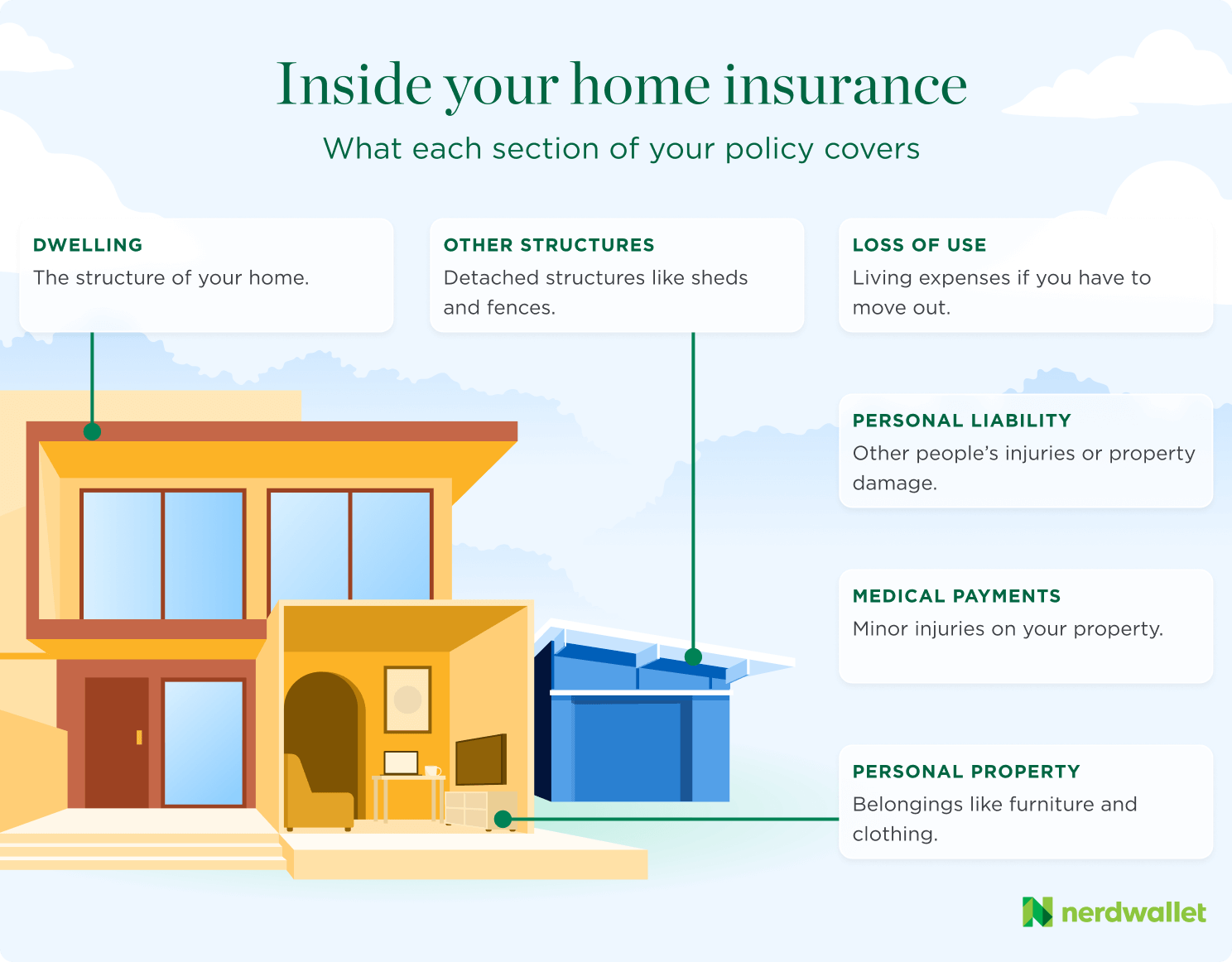
Many homeowners fail to adjust their coverage to reflect physical improvements like kitchen remodels or new roofs, which directly impact a home's replacement value. Cornwell emphasizes that dwelling coverage must keep pace with current labor and material costs to ensure a property can be fully rebuilt after a disaster. Beyond the structure itself, lifestyle changes—such as installing a pool or acquiring certain pets—often necessitate an increase in liability limits to guard against potential injury claims.
Deductibles also require a fresh look during the renewal window. While selecting a higher deductible can reduce immediate premiums, it forces a larger financial burden onto the homeowner when a claim is filed. This is particularly vital in regions like Florida, where storm-related damage often carries specific, separate deductible structures. Furthermore, a simple household inventory can reveal whether personal property limits remain sufficient for current electronics, furniture, and valuables.
Finally, the renewal period serves as a prime opportunity to audit the policy for silent exclusions or shifts in language that may have occurred since the last term. Beyond protection, this process can uncover untapped savings, as providers may offer discounts for recent security system upgrades or bundling options that are frequently missed by those who rely on automatic renewals.
Comments (0)
No comments yet. Be the first!