
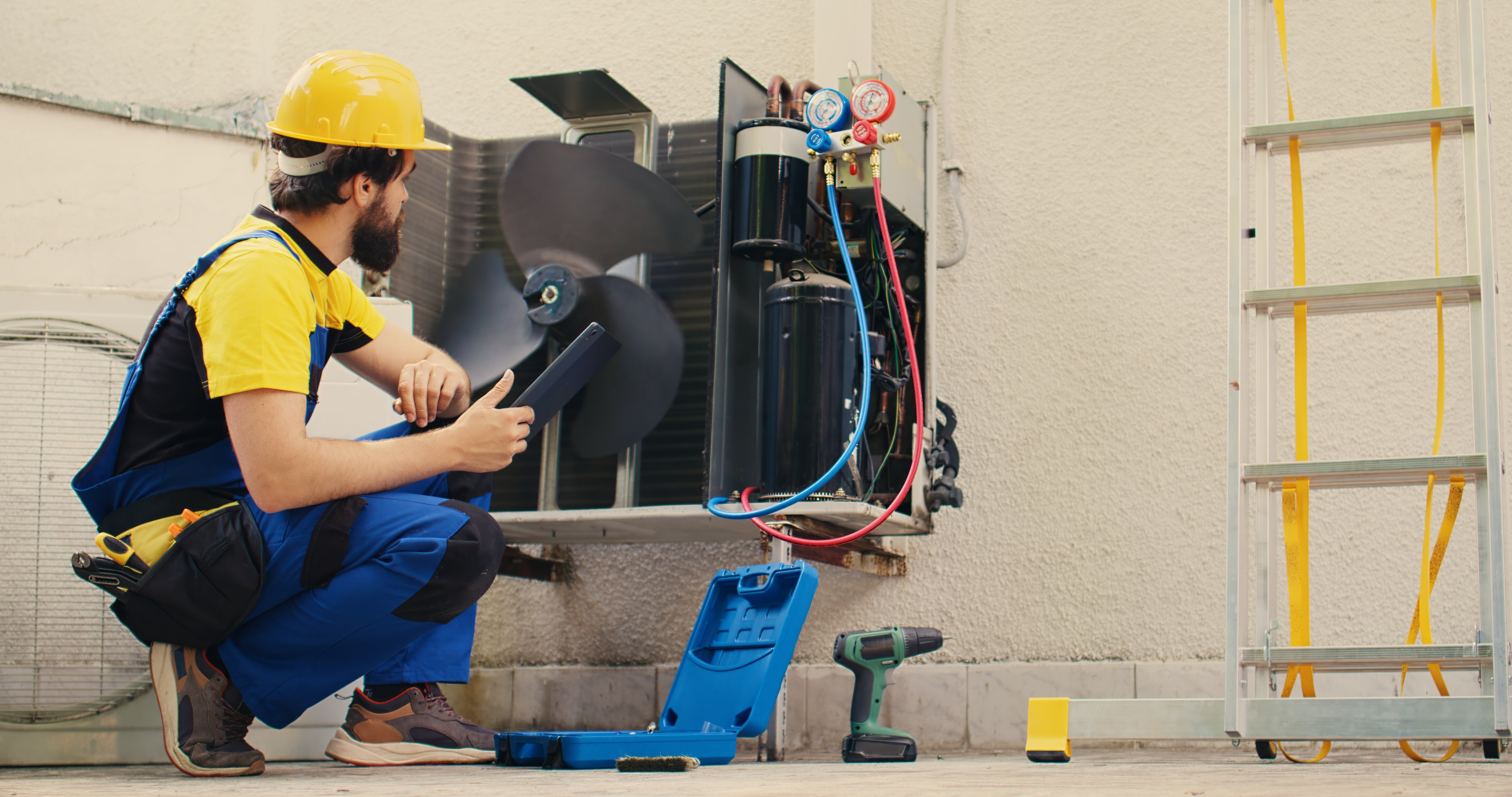
Efficiency remains the primary driver for routine HVAC upkeep. When heating and cooling systems are clean and properly calibrated, they operate with less strain, translating directly into reduced energy consumption. Basinger notes that annual inspections serve as a diagnostic tool, allowing technicians to spot loose electrical connections or worn parts before they trigger a mid-season failure. Beyond mechanical longevity, these checkups are vital for indoor air quality. A neglected system often circulates dust and allergens through clogged filters and ducts, potentially compromising the health of the home environment.
Safety represents a critical, often overlooked, aspect of these service visits. For homes utilizing gas furnaces or other fuel-powered units, functional safety controls are non-negotiable. Regular professional oversight ensures these systems do not pose hidden hazards. Furthermore, maintenance addresses common comfort complaints, such as uneven airflow or noisy operation, which frequently stem from minor, easily corrected imbalances. By shifting the perspective from reactive repair to scheduled maintenance, homeowners gain predictable performance and avoid the significant financial burden of unexpected equipment replacement.
Comments (0)
No comments yet. Be the first!