
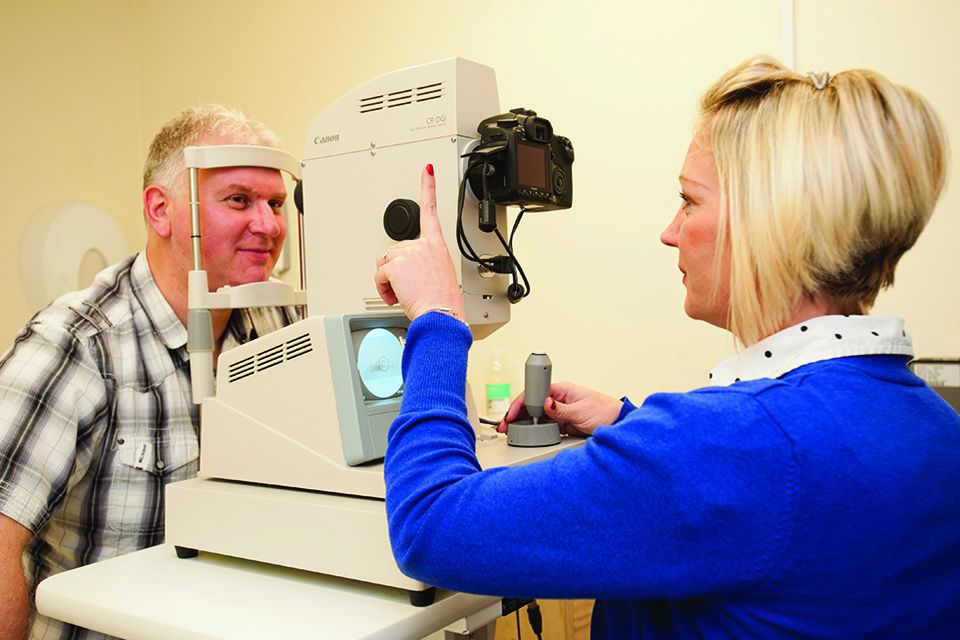
Consistent monitoring allows providers to detect subtle retinal changes before irreversible damage occurs. By evaluating the tiny blood vessels within the eye, optometrists gain a non-invasive window into how diabetes affects the body's broader vascular health. This diagnostic process identifies early indicators of complications, ranging from glaucoma risks to signs of neuropathy, which might otherwise remain hidden until symptoms manifest.
Early identification shifts the treatment burden away from invasive measures like laser therapy or injections. Instead, patients often manage risks through lifestyle adjustments, nutritional support, and tighter blood sugar control. Dr. McBride emphasizes that building a consistent relationship with a local eye care professional provides a clearer longitudinal picture of a patient's health. For those managing chronic diabetes, these annual visits serve as a primary defense against long-term vision loss, transforming reactive care into a structured preventive strategy.
Comments (0)
No comments yet. Be the first!