
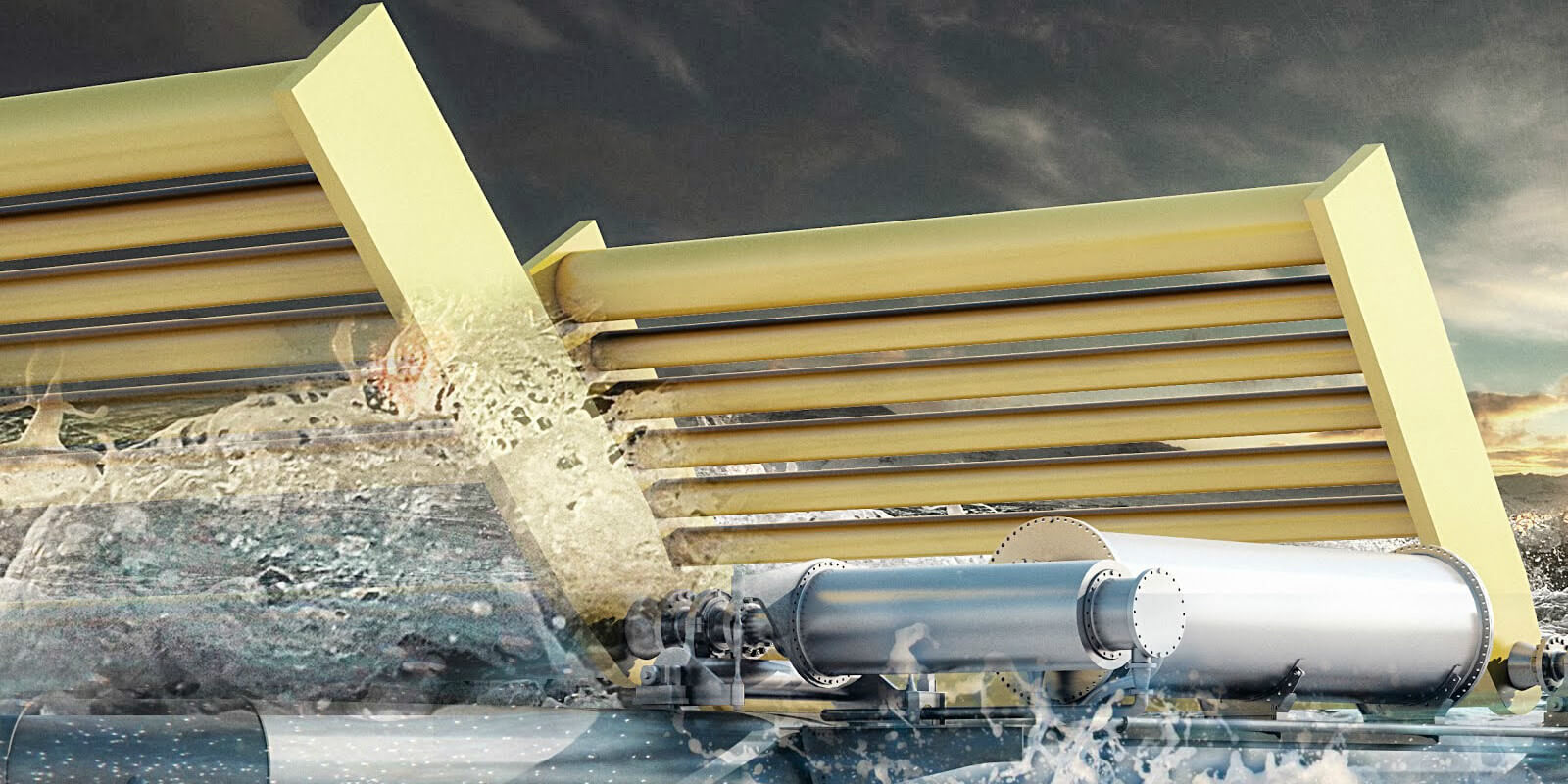
University of Michigan engineers recently installed prototype devices that successfully converted wave movement into enough electricity to charge mobile devices and power lighting. This proof-of-concept serves as a precursor to larger installations intended to bolster the island’s fragile energy grid. For seasonal residents like Seamus Norgaard, the push for local generation is driven by a desire to reduce reliance on the mainland and lower costs while prioritizing environmental sustainability.
The project arrives as the Great Lakes region faces renewed scrutiny regarding its energy future. Beyond hydrokinetics, advocates continue to push for expanded wind power across the U.S.-Canada border to address regional sovereignty and affordability concerns. However, the landscape is shifting; the rapid expansion of AI infrastructure is driving record-breaking electricity demand. This surge is creating a dual pressure on the Great Lakes: a need for massive energy production and a mounting concern over water consumption, as data centers require significant resources that could intensify local environmental tensions.
Comments (0)
No comments yet. Be the first!