
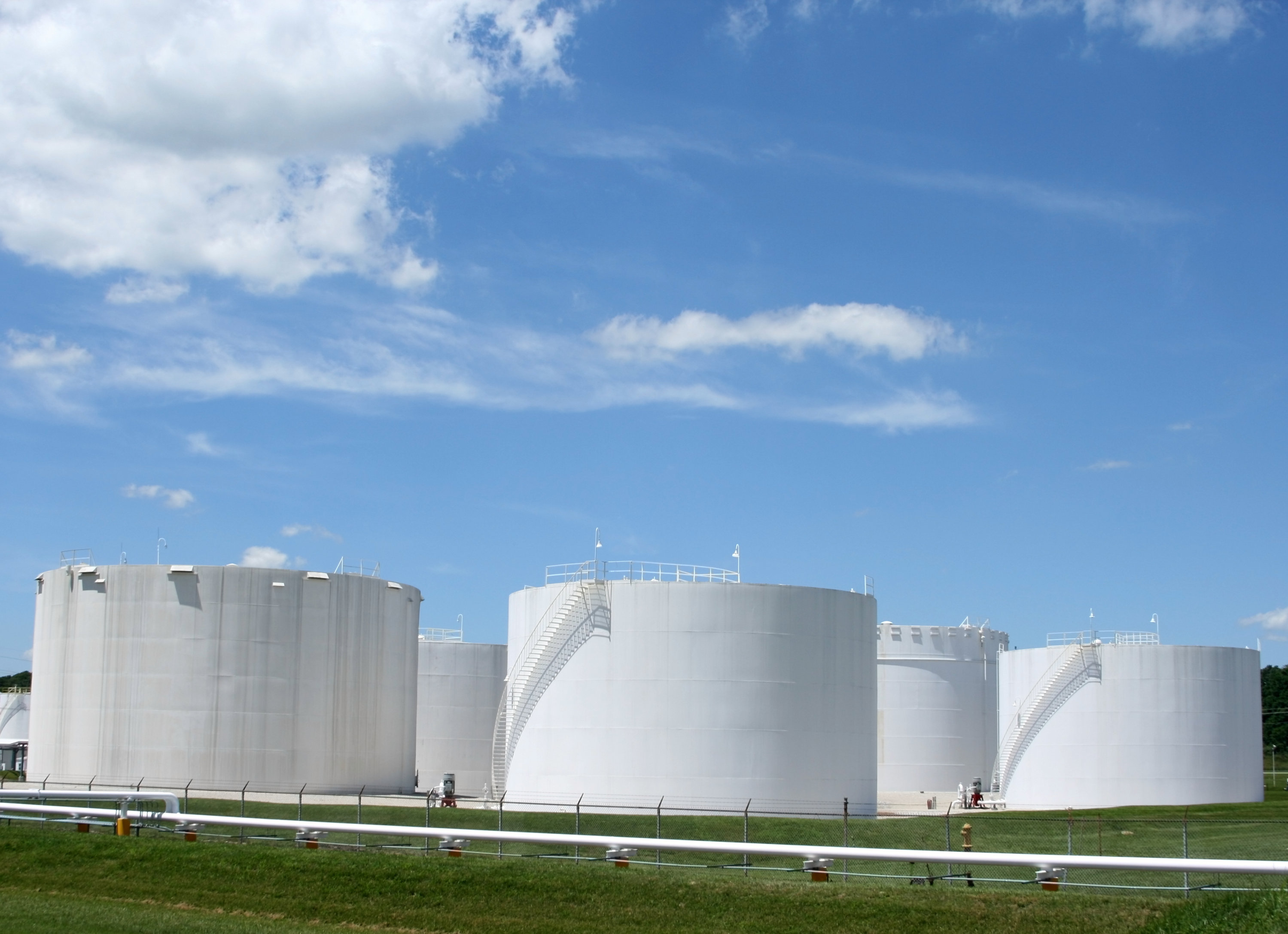
The International Energy Agency’s decision to release 400 million barrels of crude in March—the largest intervention in its history—was a desperate attempt to cap prices after regional conflict ignited. This volume dwarfs the 182 million barrels deployed in 2022 following the disruption of Russian energy flows. However, this emergency drawdown has created a secondary problem: the eventual necessity of replenishment. Analysts warn that once the current crisis stabilizes, the scramble to refill these inventories will trigger a sustained rally in international oil prices.
Energy importers are increasingly looking to China as the blueprint for resilience. By aggressively purchasing crude from Iran, Russia, and Venezuela during price dips, Beijing successfully insulated its economy from the current supply shock. Other nations are now attempting to replicate this strategy, though the financial hurdles remain immense. India, for instance, currently holds reserves covering only eight days of imports. While the government has mandated that ONGC add 13 million barrels to its stocks, the cost of securing a truly comprehensive buffer runs into the tens of billions of dollars.
Despite the global push toward wind and solar, the recent turmoil has underscored the continued dominance of hydrocarbons. Governments across Asia are doubling down on renewables while simultaneously accepting that energy independence requires tangible, physical oil reserves. As the IEA projects global demand to rebound by 2 million barrels daily by 2027, the market is bracing for a period where demand is driven not just by consumption, but by the urgent, state-led requirement to hoard supply.
Comments (0)
No comments yet. Be the first!