
Beijing’s approach to energy security ignores the Western trend of choosing between hydrocarbons and renewables. Instead, the state is prioritizing baseload reliability. In 2025, China was responsible for 78% of global new coal power capacity and currently holds 86% of the world’s coal projects under construction. This infrastructure ensures electricity remains available regardless of weather conditions, a necessity for a manufacturing economy that cannot afford grid instability.
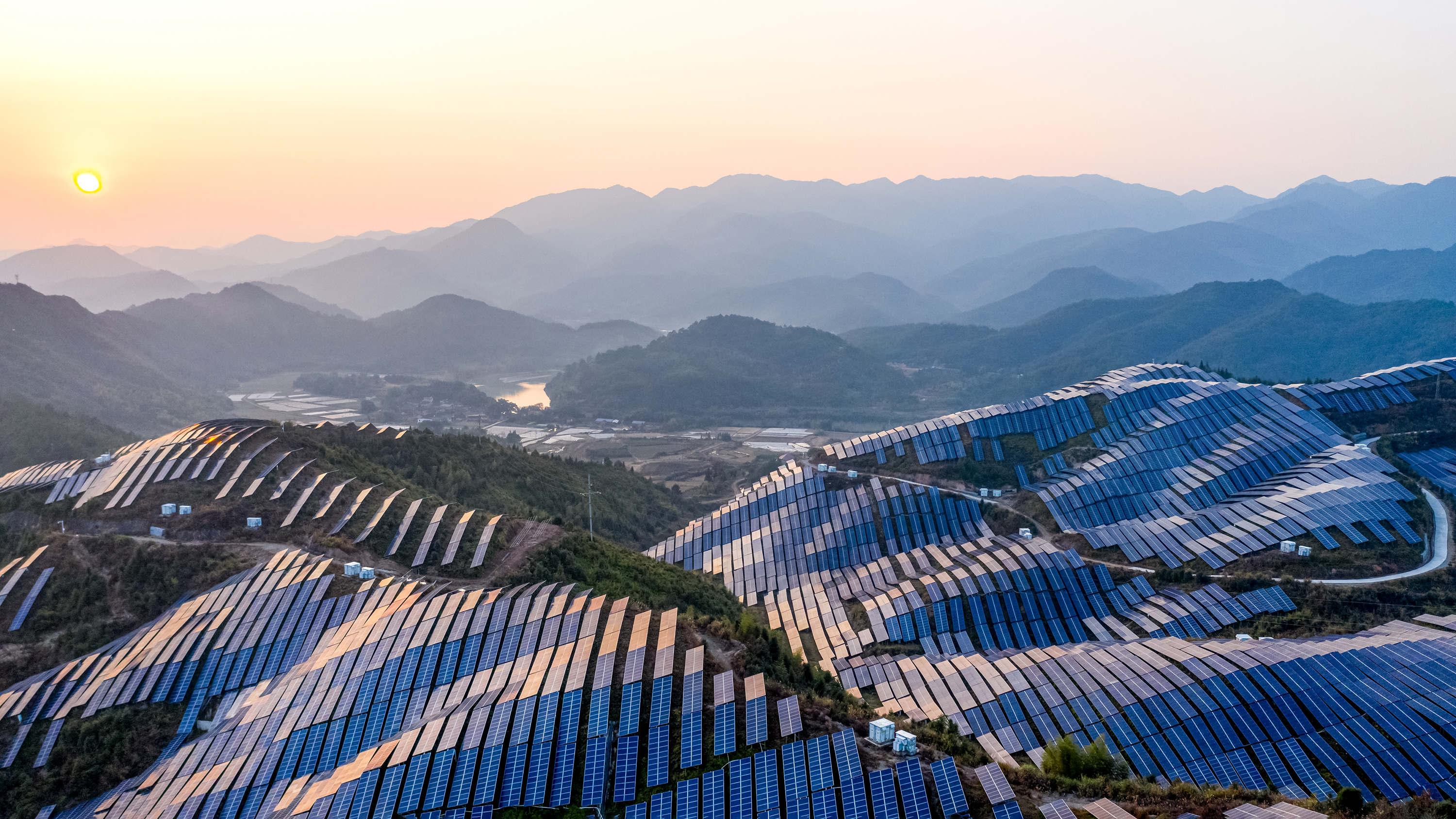
Simultaneously, China maintains its position as the world’s leading investor in green technology. Between 2019 and 2025, the country accounted for over half of the $1.1 trillion spent globally on wind, solar, and alternative energy. This spending is not merely environmental; it is a calculated bid for market dominance. By controlling the supply chains for rare earth minerals and manufacturing the bulk of the world’s wind and solar equipment, China has turned the energy transition into a domestic industrial engine.
The target is clear: Beijing aims for 50% of its electricity to come from non-hydrocarbon sources by 2030, building toward a massive 2,700 GW of installed capacity. Yet, this goal operates alongside a record-breaking expansion of coal, with production projected to reach 4.823 billion tons this year. By refusing to abandon coal while leading the world in renewables, China is betting that energy security is best achieved through total resource utilization rather than a forced exit from fossil fuels.
Comments (0)
No comments yet. Be the first!